Dog Grooming guide
Dog Grooming Safety: What Every Spokane Pet Owner Should Know
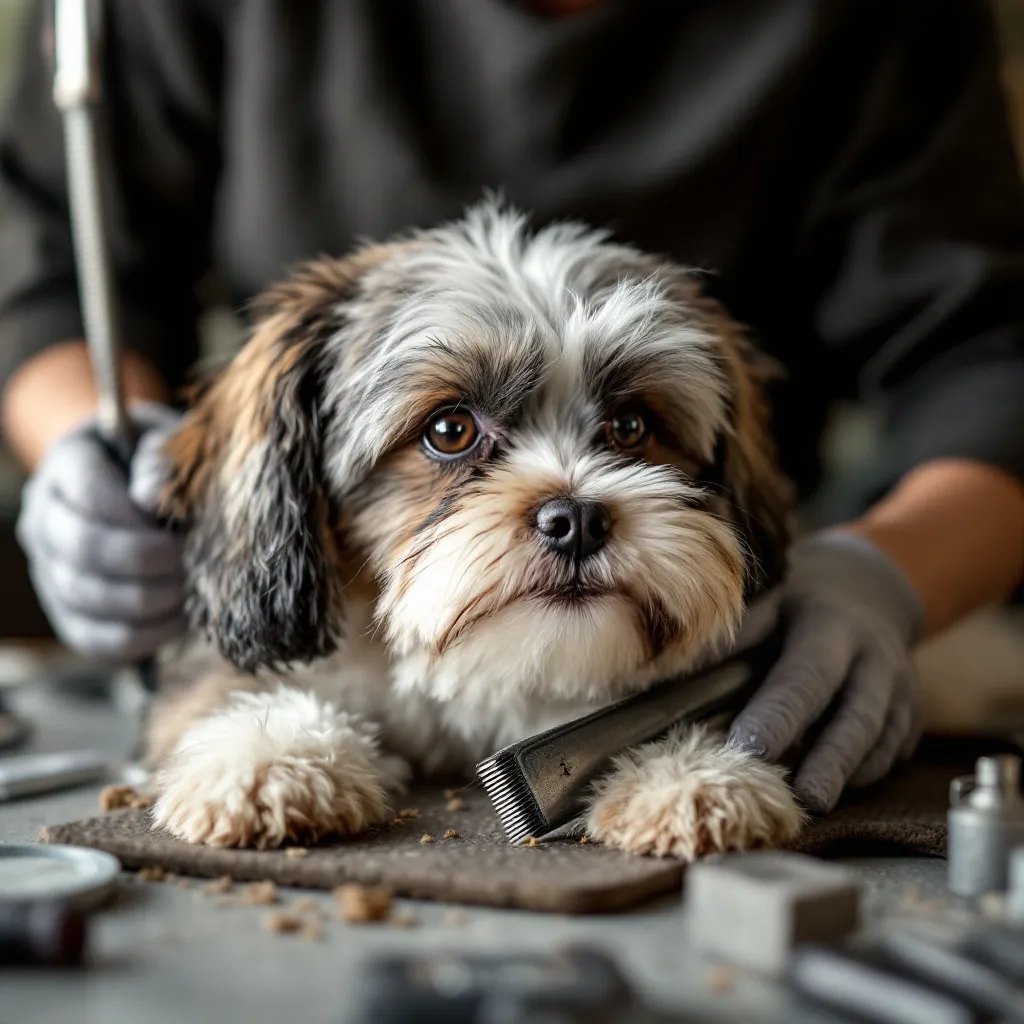
Dog grooming safety encompasses far more than a simple bath and brush. When you entrust your pet to a professional grooming service, you expect skilled handling, sanitary conditions, and protocols that protect your dog from injury or distress. Understanding what constitutes safe grooming practices helps you make informed decisions about where and how your dog receives care. From the equipment used during nail trim procedures to the temperature of bath water, every detail matters in creating a stress-free experience. Recognizing the hallmarks of a safe grooming environment empowers Spokane pet owners to advocate for their dogs and ensures that each grooming appointment supports both appearance and well-being.
Professional groomers implement multiple layers of safety throughout every appointment. Before any grooming service begins, experienced professionals assess each dog individually, noting temperament, physical condition, coat quality, and any areas of sensitivity or irritation. This initial evaluation guides decisions about which tools to use, how to position the pup, and whether modifications are needed for dogs with health concerns. Groomers trained in animal behavior watch for signs of stress or discomfort, adjusting their approach to keep the experience as calm as possible. Proper restraint techniques prevent sudden movements that could lead to clipper injuries or falls, while still allowing the dog enough freedom to avoid panic.
Equipment maintenance forms another critical safety component. Sharp clipper blades reduce pulling on hair and skin, minimizing discomfort during trimming. Groomers monitor blade temperature constantly, as overheated clippers can burn sensitive skin within seconds. Bathing requires careful attention to water temperature, shampoo selection based on skin condition, and thorough rinsing to prevent residue that might cause irritation. Ear cleaning must be gentle to avoid damaging delicate ear canals, and nail trim procedures demand precision to avoid cutting into the quick, which causes pain and bleeding. Between each client, all surfaces, tubs, and tools undergo thorough cleaning to prevent the spread of parasites, bacteria, or contagious conditions.
Communication between groomer and pet owner strengthens safety protocols significantly. Before starting work, professionals discuss any medical conditions, previous grooming experiences, and specific concerns about your dog. They explain what the grooming process will involve and set realistic expectations, particularly when dealing with matted fur that may require shorter clipping than originally desired. Throughout the appointment, attentive groomers monitor for signs of overheating, exhaustion, or anxiety, taking breaks when needed. After completing the groom, they report any unusual findings such as lumps, skin abnormalities, or behavioral changes that might warrant a veterinarian visit.
Grooming restraints serve an essential safety function when used correctly by trained professionals. These tools, which may include grooming loops, belly bands, or gentle positioning aids, prevent dogs from jumping off tables or making sudden movements that could result in injury during procedures like clipping or nail trimming. For anxious dogs, appropriate restraint actually reduces stress by providing stability and preventing the dog from putting themselves in dangerous positions. The key distinction lies in how these tools are applied. Skilled groomers use restraints as supportive aids rather than forceful controls, never leaving a restrained dog unattended and constantly monitoring for signs of distress.
The type and degree of restraint should always match the individual dog's needs and temperament. A calm, cooperative dog may need only minimal positioning assistance, while a nervous puppy might benefit from a supportive belly band that helps them feel secure on the grooming table. Groomers experienced with anxious dogs know how to read body language and adjust their techniques accordingly. They understand that forcing a panicked dog into restraints can escalate fear and create negative associations with grooming. In cases where a dog shows extreme anxiety despite gentle handling, responsible professionals may recommend breaking the groom into multiple shorter sessions, suggesting desensitization training, or even referring the pet owner to a veterinarian for anxiety management options before continuing.
Mobile dog grooming often provides advantages for anxious pets because the familiar presence of home reduces environmental stressors. When a dog feels less threatened by their surroundings, they typically require less restraint and tolerate grooming procedures more easily. Regardless of setting, proper restraint use should never compromise circulation, breathing, or comfort. Groomers should be able to explain their restraint practices clearly and demonstrate that safety, not convenience, drives their decisions about how to position and secure each dog during the grooming service.
Visual inspection provides immediate clues about a grooming facility's commitment to safety and sanitation. When you visit a salon, observe whether surfaces appear clean and organized rather than cluttered with hair and debris. The grooming area should smell fresh, not like urine, feces, or overwhelming chemical cleaners that might indicate poor ventilation or excessive masking of odors. Watch how groomers handle dogs between appointments. Do they sanitize tables and tubs? Are clean towels readily available, or do they reuse damp ones? The condition of equipment matters too. Well-maintained clippers, brushes, and combs suggest attention to detail, while rusty or damaged tools raise concerns about both hygiene and the quality of care your dog will receive.
Ask direct questions about cleaning protocols and safety procedures. Reputable grooming services welcome inquiries and provide transparent answers about how they prevent disease transmission between clients. Find out how frequently they disinfect surfaces, what products they use for sanitization, and how they handle dogs with fleas, ticks, or skin conditions to protect other clients. Inquire about their policies for managing medical emergencies. Do groomers have basic first aid training? What happens if a dog experiences heat stress, has a seizure, or suffers an injury during grooming? Facilities that have established relationships with local veterinarians and clear emergency protocols demonstrate professional responsibility.
The behavior and knowledge of staff members reveal much about a facility's safety culture. Groomers should handle dogs with confidence and kindness, never roughly or impatiently. They should be willing to discuss breed-specific grooming needs, explain their approach to handling mats without causing pain, and describe how they work with dogs of different temperaments. Pay attention to how they manage multiple dogs. Are animals properly separated to prevent fights or disease transmission? Do dogs spend excessive time in kennels before or after their appointments, or does the facility minimize confinement? A salon that prioritizes safety will have systems in place to reduce stress and ensure each dog receives individual attention throughout their visit.
Home preparation significantly impacts your dog's safety and comfort during professional grooming. Regular brushing between appointments prevents mats from forming in the coat, which is crucial because severely matted fur often requires complete shaving that can leave skin vulnerable to irritation and temperature sensitivity. When you brush your pup at home, you also become familiar with their body, making it easier to notice any new lumps, wounds, or skin changes that you should mention to the groomer. Handling your dog's paws, ears, and mouth regularly helps them become accustomed to being touched in these sensitive areas, reducing anxiety when a groomer performs nail trims or ear cleaning.
Providing accurate information about your dog's health and behavior helps groomers tailor their approach for maximum safety. Inform the grooming service about any medical conditions, medications, previous injuries, or areas where your dog is particularly sensitive or reactive. If your dog has bitten or snapped during past grooming attempts, honest disclosure allows professionals to take appropriate precautions rather than being caught off guard. Mention any changes in behavior or physical condition since the last appointment. New anxiety, limping, or skin problems might require adjustments to the grooming plan or even a veterinarian consultation before proceeding with certain services.
Timing and scheduling choices also contribute to safer grooming experiences. Avoid booking appointments when your dog is already stressed, such as immediately after a move or during a household disruption. Ensure your dog has had adequate exercise before the appointment so excess energy doesn't translate into restlessness on the grooming table. For puppies experiencing their first professional groom, consider starting with a simple bath rather than a full haircut to build positive associations. Maintaining a consistent grooming schedule helps your dog develop familiarity and routine, making each subsequent visit less stressful. When dogs know what to expect, they typically cooperate better, which reduces the need for restraint and minimizes the risk of accidents.
Spokane's climate presents specific considerations for dog grooming safety throughout the year. During winter months, shaving a dog's coat too short can compromise their ability to regulate body temperature, particularly for breeds not naturally adapted to cold weather. Professional groomers in the region understand that while removing mats is sometimes necessary regardless of season, they must consider how much protective fur a dog needs for outdoor activities in freezing temperatures. After a winter bath, dogs should be thoroughly dried before going outside to prevent dangerous chilling. Mobile grooming services offer advantages during cold weather by eliminating the need for wet dogs to travel in vehicles, though salon facilities with proper heating also provide safe environments.
Summer grooming requires different safety considerations. While many pet owners assume that shaving their dog will keep them cooler during Spokane's warm months, certain breeds actually rely on their coat for insulation against both heat and sun exposure. Double-coated breeds like Huskies or Golden Retrievers can suffer from improper coat damage if shaved, which may lead to irregular regrowth and reduced protection. Knowledgeable groomers recommend deshedding treatments and strategic trimming rather than complete shaving for these breeds. During hot weather, groomers must be especially vigilant about preventing heat stress, ensuring adequate ventilation, providing water breaks, and avoiding prolonged time under dryers. Dogs with short snouts face higher risks of overheating and require extra monitoring during warm-weather grooming sessions.
Seasonal changes also affect skin and coat condition in ways that impact grooming safety. Spring shedding can create mats if not addressed promptly through regular brushing. Autumn brings increased exposure to burrs, foxtails, and other plant material that can become embedded in fur and cause skin irritation or infection if not carefully removed during grooming. Year-round, Spokane's relatively dry climate can contribute to skin dryness, making moisturizing shampoos and conditioners important for preventing irritation during bathing. Groomers familiar with regional conditions adjust their product selections and techniques accordingly, recognizing that what works well in humid climates might not suit the specific needs of dogs living in the Inland Northwest.
Pet owners serve as essential partners in maintaining grooming safety through responsible dog ownership and clear communication. Understanding basic dog behavior helps you recognize when your pet is genuinely distressed versus simply uncomfortable with an unfamiliar process. Spokane County provides resources on responsible pet ownership and dog behavior that can help owners better understand their responsibilities. Dogs that receive consistent training, socialization, and handling at home generally tolerate grooming procedures with less stress, making the experience safer for everyone involved. Teaching your dog basic commands and desensitizing them to being touched, brushed, and handled prepares them for professional grooming and reduces the likelihood of fear-based reactions.
Selecting an appropriate grooming service requires research and judgment. The lowest price doesn't always represent the best value, particularly when safety and expertise matter more than cost savings. Visit facilities before booking, ask about groomer training and experience, and trust your instincts about whether staff members genuinely care about animal welfare. Read reviews carefully, paying attention to comments about how groomers handle anxious or difficult dogs rather than focusing solely on aesthetic results. Once you find a grooming service you trust, maintain regular appointments rather than waiting until your dog's coat becomes severely matted or neglected. Consistent grooming prevents many safety issues that arise when dogs require extensive remedial work.
After each grooming appointment, examine your dog carefully and provide feedback to the grooming service. Check for any signs of clipper burn, cuts, or unusual soreness. Monitor your dog's behavior over the following days for signs of stress or discomfort that might indicate a problem during the grooming session. If you notice anything concerning, contact the groomer promptly so they can address the issue and adjust their approach for future visits. Positive feedback is equally important, as it helps groomers understand what worked well for your particular dog. This ongoing dialogue creates a collaborative relationship focused on your pet's safety and well-being, ensuring that each grooming experience builds on previous successes rather than repeating problems.
Pet owners can learn more about their responsibilities and dog behavior fundamentals through Spokane County pet owner resources, which offers guidance on creating positive relationships with dogs and preventing common behavioral issues.
Spokane Dog Grooming is a family-owned dog grooming business in Spokane, Washington, operating since 2013. Its groomers offer full-service s For professional help anywhere in Spokane, visit dog grooming services.
☎Call (509) 979-6777