Things to do in Spokane
Riverside State Park - Bowl and Pitcher Area
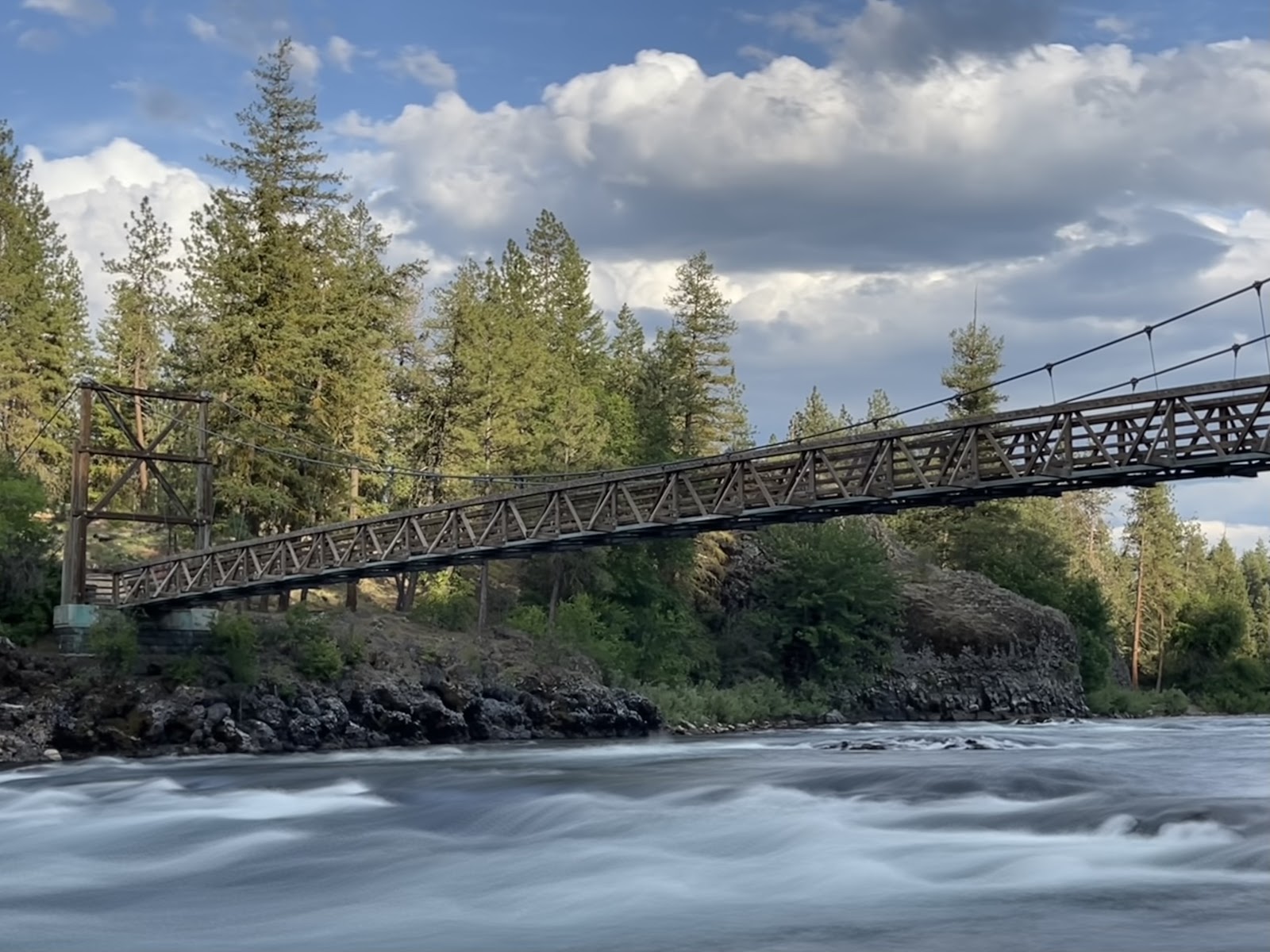
The Bowl and Pitcher Area stands as one of the most geologically striking destinations in the Inland Northwest, where the Spokane River has carved dramatic basalt formations over thousands of years. Located within Washington's largest state park, this natural wonder draws visitors year-round with its towering rock columns, churning rapids, and forested trails. The area takes its name from two distinctive rock formations that resemble their namesake kitchen items, creating a landscape that feels both ancient and alive with the constant rush of water through narrow volcanic channels.
The landscape here tells a story written in stone and water, where dark basalt cliffs rise dramatically from the riverbanks and the Spokane River thunders through narrow channels carved during the Ice Age floods. Walking trails wind through ponderosa pine forests and along rocky outcroppings that offer stunning views of the churning water below. A suspension bridge spans the river, swaying gently as visitors cross to explore the trails on the opposite bank, providing an exhilarating perspective of the geological forces at work.
The area caters to various activity levels, from casual walkers seeking scenic views to serious hikers tackling more challenging terrain. Interpretive signs along the trails explain the region's volcanic origins and the catastrophic floods that shaped these features. During warmer months, rock climbers test their skills on the basalt columns, while anglers cast lines into calmer pools hoping for trout. The sound of rushing water provides a constant soundtrack, creating an immersive natural experience just minutes from urban conveniences.
The namesake rock formations command immediate attention, with the Bowl appearing as a massive rounded depression in the basalt and the Pitcher rising as a columnar formation nearby. These features represent only a fraction of the geological drama on display, as the entire riverbank showcases the raw power of ancient floods that scoured the landscape. The basalt itself dates back millions of years to volcanic eruptions that blanketed the region, later carved into fantastical shapes by torrents of glacial meltwater rushing toward the Pacific Ocean.
Wildlife thrives in this riparian corridor, with ospreys and bald eagles frequently spotted hunting above the river. Deer browse in the forested areas, while smaller mammals and numerous bird species make their homes among the pines and along the water's edge. Spring brings wildflowers to sunny slopes, adding splashes of color to the predominantly green and black landscape. The interplay of light on water, particularly during golden hour, creates photography opportunities that capture both the power and beauty of this natural setting.
Multiple trail options allow visitors to customize their experience based on time and ability. The main loop trail offers relatively easy walking with occasional elevation changes, providing access to overlooks and the suspension bridge within a manageable distance. More adventurous hikers can extend their journey along trails that follow the river downstream or climb higher into the surrounding pine forests. Trail surfaces vary from packed dirt to rocky sections requiring careful footing, particularly near the water where basalt can be uneven and slippery.
Beyond hiking, the area supports rock climbing on designated basalt columns, though climbers should come prepared with proper equipment and knowledge of volcanic rock characteristics. The river itself draws kayakers and rafters during appropriate flow conditions, though the Bowl and Pitcher rapids demand respect and skill. Winter transforms the landscape into a quieter realm where snow dusts the dark rocks and ice forms along the river's edges, offering a completely different aesthetic for cold-weather enthusiasts willing to navigate potentially icy trails.
Spring through fall provides the most comfortable conditions for exploration, with summer bringing warm temperatures ideal for extended hiking. However, summer also means peak visitation, particularly on weekends when parking areas fill quickly. Early morning visits offer cooler temperatures, better wildlife viewing opportunities, and a more peaceful experience. Autumn delivers spectacular foliage colors and fewer crowds, while spring showcases the river at its most powerful with snowmelt swelling the current. Winter visits require appropriate footwear and caution regarding ice, but reward hardy visitors with solitude and stark beauty.
The area requires a Discover Pass for vehicle access, available for purchase at various locations or online. Basic facilities include parking areas and vault toilets, but no drinking water, so visitors should come prepared with adequate hydration and snacks. Cell phone coverage can be spotty in the river canyon, making it wise to download trail maps beforehand. Sturdy footwear is essential given the rocky terrain, and layers are recommended as temperatures near the water often differ from surrounding areas.
The Bowl and Pitcher Area sits approximately nine miles northwest of downtown Spokane, accessible via surface streets that wind through residential neighborhoods before entering the park. From the city center, visitors follow Maple Street north as it becomes Rifle Club Road, eventually reaching the well-marked park entrance. The drive takes roughly twenty minutes under normal traffic conditions, transitioning gradually from urban to natural landscapes. Adequate signage guides visitors to the main parking area, though the final approach involves a descent into the river valley on a winding road that hints at the geological features ahead. Public transportation options are limited, making personal vehicles the most practical choice for reaching this natural treasure tucked into Spokane's northwestern edge.
Spokane Dog Grooming provides professional dog grooming across Spokane. If a tree near you needs attention, visit dog grooming in Spokane for an assessment.
☎Call (509) 979-6777