Dog Grooming guide
DIY Dog Grooming vs Professional Services: What Spokane Owners Need to Know
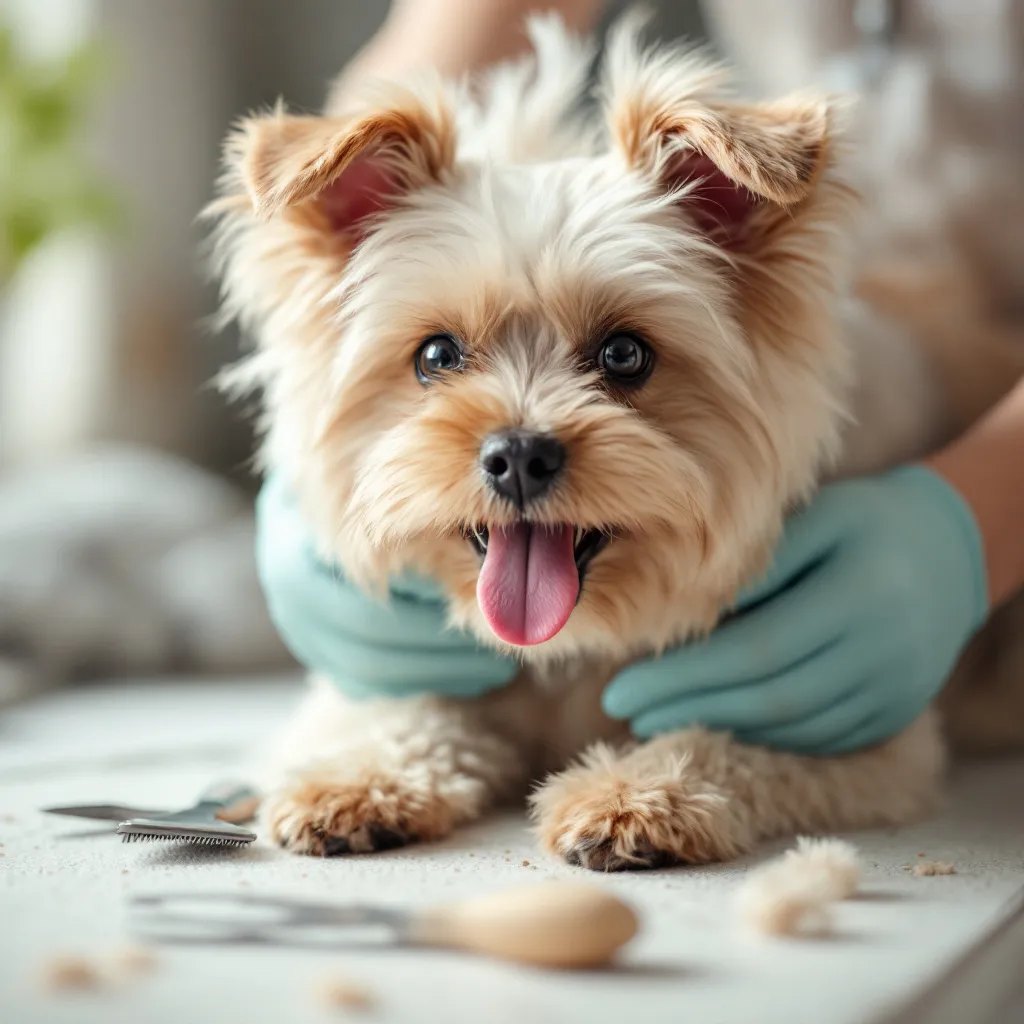
Many Spokane dog owners wonder whether they should handle grooming tasks themselves or rely on professional services. The honest answer depends on your comfort level, your dog's temperament, and the complexity of care required. Basic maintenance like brushing and paw cleaning can often be managed at home with proper tools and patience. However, tasks requiring precision and experience, such as breed-specific clipping or handling matted fur, typically warrant professional attention. Understanding which grooming responsibilities you can confidently tackle and which ones benefit from trained expertise helps you make informed decisions that prioritize your dog's health, comfort, and appearance while fitting your household budget and schedule.
Regular brushing stands as the most valuable grooming task you can perform yourself. Depending on your dog's coat type, brushing several times weekly prevents mats from forming, distributes natural oils throughout the fur, and gives you opportunity to check for skin irritation or unusual lumps. Spokane's seasonal changes mean dogs often shed heavily during spring and fall transitions, making consistent brushing especially important during those months. Using the right brush for your breed matters considerably. Slicker brushes work well for longer coats, while rubber curry brushes suit short-haired breeds. Taking time to learn proper brushing techniques prevents discomfort and makes the experience pleasant for your pup.
Basic bathing can also be managed at home if you have appropriate space and your dog tolerates water reasonably well. Using a quality dog shampoo formulated for your pet's skin type helps avoid irritation that human products might cause. Spokane's hard water can sometimes leave residue in fur, so thorough rinsing becomes essential. Between baths, you can safely clean your dog's paws after walks, particularly during winter when sidewalk salt and ice melt products accumulate. Ear cleaning with veterinarian-approved solutions helps prevent infections, especially in breeds with floppy ears. Gently wiping visible dirt from the outer ear area poses minimal risk when done carefully, though deeper cleaning requires more expertise.
Nail maintenance presents more challenge but remains manageable with practice and proper tools. Many dogs dislike nail trims, so introducing the process gradually with positive reinforcement helps. Using sharp, appropriately sized clippers designed for dogs prevents splitting or crushing the nail. The key difficulty involves avoiding the quick, the blood vessel running through each nail. In dogs with light-colored nails, the quick appears pink and easier to see. Dark nails require more caution, trimming only small amounts at a time. If you feel uncertain or your dog becomes extremely stressed, professional groomers handle nail trims efficiently as part of their service or as a standalone appointment.
Breed-specific haircuts demand professional skill and knowledge that home groomers rarely possess. Poodles, terriers, spaniels, and the increasingly popular doodle breeds require precise clipping patterns that maintain coat health while achieving the desired appearance. Professional groomers understand how different coat textures respond to various clipper blades and scissors techniques. They recognize when a coat should be hand-stripped rather than clipped to preserve texture. These specialized cuts involve understanding canine anatomy to avoid sensitive areas while creating balanced proportions. Attempting complex cuts at home often results in uneven results that take months to grow out, and improper technique can cause clipper burn or accidental nicks.
Severely matted coats absolutely require professional attention. While light tangles can be worked out with patience and proper tools, tight mats pull painfully at skin and can hide irritation, sores, or parasites underneath. Professionals possess the experience to assess whether mats can be safely brushed out or whether shaving offers the most humane solution. They understand how to work close to skin without causing clipper burn or cuts, a genuine risk when removing dense mats. Research published in Frontiers in Veterinary Science emphasizes that neglecting routine grooming care creates significant risks to animal health and wellbeing, underscoring why professional intervention becomes necessary when coat condition deteriorates beyond basic maintenance.
Anal gland expression, though unpleasant to discuss, represents another task best left to professionals or veterinarians. While some dogs naturally express these glands during bowel movements, others require manual assistance to prevent impaction and infection. Improper technique can cause injury or fail to fully empty the glands, leading to continued discomfort. Groomers trained in this procedure know proper positioning and pressure. Similarly, any grooming need involving a dog with significant anxiety, aggression, or health conditions benefits from professional handling. Experienced groomers recognize stress signals and employ calming techniques that keep both the dog and handler safe throughout the process.
The financial equation depends heavily on your dog's size, coat type, and grooming frequency needs. A small breed requiring grooming every six to eight weeks might cost between sixty and eighty dollars per salon visit in Spokane, totaling roughly five hundred to seven hundred dollars annually. Larger breeds or those with high-maintenance coats can easily exceed one hundred dollars per appointment. If you handle basic tasks like brushing, bathing, and nail trims between professional grooming sessions, you might extend the time between full-service appointments from six weeks to ten or twelve weeks, cutting annual costs significantly while maintaining your dog's coat condition.
However, startup costs for home grooming tools deserve consideration. A quality brush appropriate for your breed runs twenty to forty dollars. Professional-grade nail clippers cost fifteen to thirty dollars. Dog-specific shampoo and conditioner add another twenty to forty dollars depending on product quality and bottle size. A grooming table, though not essential, makes the process easier and costs between fifty and one hundred fifty dollars. High-velocity dryers that professional groomers use range from one hundred to several hundred dollars, though many owners manage with regular towel drying or human hair dryers on cool settings. If you attempt haircuts at home, clippers suitable for dog coats start around one hundred dollars for decent quality, with replacement blades adding ongoing costs.
The realistic savings picture involves combining approaches. Handling routine maintenance yourself while scheduling professional grooming services for complex cuts typically offers the best value. This hybrid approach keeps your dog comfortable between appointments, prevents mat formation that leads to additional charges, and ensures breed-specific styling remains sharp. Many Spokane families find that managing weekly brushing, monthly baths, and regular paw care at home allows them to visit professional groomers less frequently without compromising their dog's appearance or wellbeing. The time investment also matters in this equation. Bathing and drying a large breed at home might consume two to three hours, time that carries its own value when weighing convenience against cost.
Investing in breed-appropriate brushes transforms home grooming from frustrating to effective. Slicker brushes with fine, bent wire bristles work beautifully for removing loose undercoat and preventing mats in medium to long-haired breeds. Pin brushes suit dogs with longer, silkier coats, while bristle brushes polish short coats. Undercoat rakes prove invaluable during Spokane's spring shedding season for double-coated breeds like huskies or shepherds. A good metal comb helps you check your brushing work by running through the coat to catch any remaining tangles. Dematting tools with sharp, recessed blades can address minor tangles but require careful use to avoid cutting skin.
Shampoo selection significantly impacts your dog's skin health and coat condition. Products formulated specifically for dogs maintain the proper pH balance for canine skin, which differs from human skin chemistry. Oatmeal-based shampoos soothe sensitive skin, while deodorizing formulas help between baths. Whitening shampoos brighten light-colored coats without harsh bleaching agents. For dogs with skin conditions, veterinarian-recommended medicated shampoos address specific issues. Conditioner helps longer coats remain tangle-free and adds moisture that Spokane's dry climate often strips away. Always rinse thoroughly, as shampoo residue can cause itching and irritation that leads your pup to scratch and damage their coat.
Nail care tools require attention to quality and appropriateness for your dog's size. Guillotine-style clippers work well for small to medium dogs with thinner nails, while scissor-style or plier-type clippers handle larger breeds with thicker nails more effectively. A nail grinder offers an alternative that smooths edges and allows more gradual trimming, though some dogs dislike the vibration and noise. Styptic powder stops bleeding quickly if you accidentally cut the quick. Non-slip mats for your bathing area prevent injuries from dogs jumping or slipping on wet surfaces. Having treats readily available turns grooming sessions into positive experiences, building cooperation for future maintenance rather than creating battles that stress both you and your puppy.
Certain warning signs indicate your dog's grooming needs exceed what you can safely manage at home. Mats that resist gentle brushing and lie tight against the skin require professional removal to prevent pain and skin problems underneath. If you notice your dog's coat has become greasy, develops an odor despite regular bathing, or shows flaky skin, a professional groomer can assess whether the issue stems from grooming technique, product choice, or an underlying health concern requiring veterinarian attention. Overgrown nails that curl under or cause your dog to walk differently need immediate professional trimming to prevent joint problems and painful splitting.
Behavioral signals also guide this decision. If your dog shows fear, anxiety, or aggression during home grooming attempts, professional groomers possess training to handle nervous or resistant animals safely. They work in environments designed for secure restraint when necessary and recognize when a dog's stress level requires stopping and trying alternative approaches. Some dogs simply tolerate grooming better from strangers in a professional setting than from their owners at home. Mobile dog grooming services offer particular advantages for anxious dogs, bringing the salon environment to your driveway and eliminating the stress of car rides and unfamiliar locations.
Life circumstances sometimes make professional services the practical choice regardless of your capability. Physical limitations that make bathing a large dog difficult, lack of appropriate space for managing water and mess, or simply time constraints during busy periods all represent valid reasons to use professional pet grooming. Spokane Dog Grooming offers both salon appointments and mobile options precisely because different families face different situations. The goal involves maintaining your dog's health and comfort through regular grooming, whether you handle tasks yourself, rely entirely on professionals, or combine both approaches in whatever balance suits your household. Establishing a relationship with a trusted groomer means you have expert support when you need it, even if you manage routine maintenance independently most of the time.
Establishing a consistent brushing routine prevents most coat problems before they develop. Rather than waiting until you notice tangles, brush your dog on a regular schedule appropriate for their coat type. Long-haired breeds benefit from daily attention, while short-coated dogs might need only weekly sessions. Pay particular attention to friction areas where mats form most readily: behind the ears, under the collar, in the armpits, and around the rear legs. These spots experience more movement and moisture, creating perfect conditions for fur to tangle. Checking these areas daily takes only moments but prevents problems that might require professional intervention.
Keeping your dog's face clean between full grooming appointments maintains comfort and prevents health issues. Breeds with facial folds need regular wiping to remove moisture and debris that can cause bacterial growth and odor. Dogs with long facial hair benefit from gentle trimming around the eyes to prevent irritation and maintain clear vision. You can carefully trim this area with blunt-tipped scissors, though many owners prefer having their groomer handle anything involving scissors near eyes. Wiping tear stains daily with products designed for this purpose prevents the reddish-brown discoloration that affects many light-colored breeds. Regular teeth brushing with dog-specific toothpaste prevents gum disease and keeps breath fresh between professional dental cleanings.
Monitoring your dog's skin condition during home grooming sessions allows early detection of problems. While brushing, watch for redness, bumps, dry patches, or areas your dog seems sensitive about. Check for fleas, ticks, or flea dirt, particularly during Spokane's warmer months when these parasites become active. Run your hands over your dog's entire body, feeling for lumps or changes that might need veterinarian evaluation. This regular handling serves double duty, maintaining your bond while keeping you informed about your pet's physical condition. When you do visit professional grooming services, mention any concerns you've noticed. Groomers often spot skin issues or physical changes during their work and can recommend whether veterinarian consultation seems warranted, making them valuable partners in your dog's overall health care.
Studies examining research on pet grooming barriers have found that the consequences of not receiving routine grooming care can pose significant risks to animals' health and wellbeing, highlighting why regular professional or home maintenance matters so much for your dog's quality of life.
Spokane Dog Grooming is a family-owned dog grooming business in Spokane, Washington, operating since 2013. Its groomers offer full-service s For professional help anywhere in Spokane, visit professional dog grooming.
☎Call (509) 979-6777