Dog Grooming guide
Senior Dog Grooming in Spokane: Special Care and Considerations
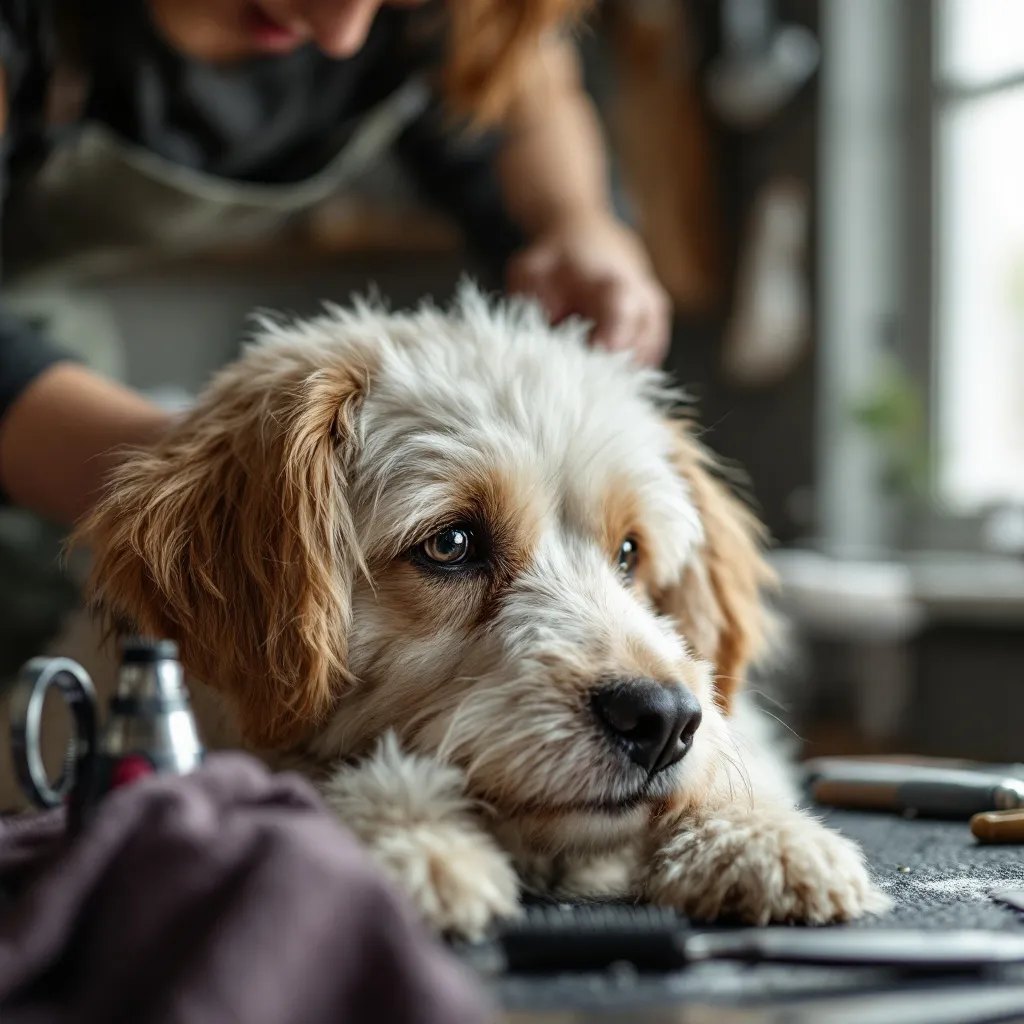
As dogs enter their golden years, their grooming needs evolve significantly, requiring adjustments in technique, frequency, and environmental considerations. Senior dogs often face physical challenges such as arthritis, reduced mobility, thinning skin, and changes in coat texture that make standard grooming approaches uncomfortable or even painful. At Spokane Dog Grooming, groomers understand that older dogs deserve the same level of care they received throughout their lives, but with modifications that honor their changing bodies and temperaments. Providing specialized attention to aging pets means recognizing when a dog needs extra padding during bathing, shorter sessions to prevent fatigue, or gentler handling around sensitive joints. These thoughtful accommodations ensure that grooming remains a positive experience rather than a source of stress for your beloved companion.
Senior dogs absolutely require modified grooming techniques that account for their physical limitations and changing coat conditions. As dogs age, their skin becomes thinner and more delicate, making them more susceptible to irritation from standard shampoo formulas or vigorous brushing. The coat itself often changes texture, becoming coarser or more brittle, which means traditional grooming tools may cause discomfort. Groomers working with senior dogs must adjust their touch, using softer brushes and taking care around bony prominences where padding has diminished. The clipper work requires extra attention as well, since older skin is less elastic and more prone to nicks. Water temperature during the bath becomes more critical, as senior dogs regulate body temperature less efficiently than younger pups.
The grooming session itself needs restructuring for older dogs who tire more easily. Rather than completing a full groom in one extended session, professional groomers may break the process into shorter intervals, allowing the dog to rest between the bath, brush out, and clipping phases. This approach reduces physical strain and mental fatigue. Nail trim procedures also change, as senior dogs often have thicker, more brittle nails that require specialized clippers and a steadier hand. The quick may have lengthened over years of inconsistent trimming, necessitating a more conservative approach. Ear cleaning becomes gentler as well, since older dogs may have developed chronic ear conditions or increased sensitivity in the ear canal.
Handling techniques shift dramatically when working with senior dogs who may have developed anxiety or confusion related to cognitive decline. A groomer experienced with aging pets will move more slowly, offer more reassurance, and watch carefully for signs of distress that might not have been present in earlier years. The salon environment matters too, with considerations like non-slip surfaces becoming essential for dogs with balance issues. At facilities offering mobile dog grooming services, the familiarity of home can significantly reduce stress for confused or anxious senior pets, making the entire grooming experience more comfortable and safe.
Arthritis affects a significant portion of senior dogs, and professional groomers must make substantial accommodations to ensure these pets remain comfortable throughout the grooming service. The grooming table itself becomes a primary consideration, with many experienced groomers using tables that adjust to lower heights or even working on padded mats on the floor for dogs who cannot safely stand on elevated surfaces. Extra padding on all surfaces helps cushion arthritic joints, and groomers position themselves to support the dog's weight rather than expecting the pet to hold difficult positions. For dogs with severe hip or back leg weakness, groomers may use slings or towels under the abdomen to provide support during the bath and drying process.
The duration and positioning during each phase of grooming requires careful planning for arthritic dogs. Standing for extended periods causes pain and fatigue, so groomers work efficiently while allowing frequent position changes and rest breaks. Some dogs with arthritis find relief when allowed to sit during portions of the groom, particularly during facial work or paw trimming. The bathing process presents particular challenges, as wet dogs must stand in a tub, so groomers often use non-slip mats and work quickly to minimize standing time. Warm water can actually provide temporary relief to arthritic joints, but the groomer must ensure the dog doesn't become chilled during drying, as cold can worsen joint stiffness.
Communication between the groomer and pet owner becomes vital when mobility issues are present. Before the appointment, discussing the specific locations of arthritis helps the groomer prepare appropriate accommodations and avoid movements that cause pain. Some dogs cannot lift their legs for sanitary trims or struggle with the head positioning required for facial grooming. Skilled groomers adapt their techniques, sometimes working around limitations rather than forcing compliance. For dogs whose mobility has significantly declined, mobile dog grooming offers the advantage of eliminating the stressful car ride and allowing the pet to rest in their own bed immediately after the session, rather than waiting in a kennel.
The grooming frequency for senior dogs depends on multiple factors including coat type, skin condition, mobility limitations, and overall health status. Some older dogs actually benefit from more frequent grooming appointments, though each session may be shorter and less intensive. Dogs who can no longer groom themselves effectively due to arthritis or flexibility issues develop mats more quickly, particularly in areas they cannot reach. Regular professional grooming every four to six weeks prevents these mats from becoming severe enough to require a complete shave down, which many owners prefer to avoid. Frequent bathing with appropriate shampoo formulas can also soothe skin conditions that commonly develop in aging dogs, providing relief from itching and irritation.
Conversely, some senior dogs with thinning coats or extremely sensitive skin may need less frequent full grooming services, with maintenance focused on essential hygiene rather than aesthetic perfection. A veterinarian familiar with your dog's specific health conditions can provide guidance on appropriate grooming schedules. Dogs with certain medical conditions may need to avoid bathing during treatment periods, while others benefit from therapeutic baths that support skin health. The breed also plays a significant role in determining frequency. Senior poodle mixes still require regular grooming to prevent matting, while short-coated breeds may need only occasional baths and nail trims as they age.
Establishing a consistent grooming schedule becomes particularly important for senior dogs, as routine provides comfort and predictability for aging pets who may experience cognitive changes. Regular appointments also allow groomers to monitor changes in the dog's condition, noticing new lumps, skin changes, or mobility decline that owners might miss during daily interactions. These observations can prompt earlier veterinary intervention. Many owners find that booking recurring appointments ensures their senior dog maintains good hygiene without the stress of last-minute scheduling. Whether choosing salon services or mobile grooming, consistency in both timing and groomer helps senior dogs feel more secure during what can otherwise be an unsettling experience.
Senior dogs often develop health conditions that directly impact grooming procedures and require close collaboration between groomers, owners, and veterinary professionals. Heart conditions mean that stress reduction becomes paramount, as anxiety during grooming can strain the cardiovascular system. Groomers working with cardiac patients keep sessions calm and brief, avoiding situations that might cause the dog to struggle or panic. Dogs with respiratory issues need special attention during bathing and drying, as water near the face or prolonged exposure to dryer heat can trigger breathing difficulties. Some senior dogs develop diabetes, which affects skin health and healing, making any nicks or irritation more serious and slower to resolve.
Cognitive decline presents unique challenges during grooming appointments. Dogs experiencing canine cognitive dysfunction may become confused or frightened in the grooming environment, even if they tolerated it well for years. They may not recognize familiar groomers or understand what is happening during the process. Patience becomes essential, along with constant reassurance and a willingness to pause whenever the dog shows signs of distress. Some dogs with cognitive issues do better with grooming at home where surroundings remain familiar. Groomers must also watch for signs of pain that confused dogs may not communicate clearly, as cognitive decline can mask or alter pain responses.
Skin tumors, warts, and other growths become increasingly common in senior dogs and require groomers to work carefully around these areas. While most growths are benign, they can bleed easily if nicked by a clipper or brush. Experienced groomers note the location of any masses and adjust their technique accordingly, sometimes using scissors instead of clippers in affected areas. Thinning hair and bald patches also appear with age, and groomers must be cautious not to irritate exposed skin. Senior dogs may develop incontinence issues, making sanitary trims and thorough cleaning of the rear end particularly important for hygiene and comfort. These health-related grooming needs underscore why working with experienced professionals who understand geriatric pet care makes such a difference in your dog's quality of life during their later years.
Maintaining your senior dog's coat and comfort between professional grooming sessions requires adjustments to your home care routine. Gentle daily brushing becomes more important as dogs age, particularly for those with mobility limitations who can no longer scratch or groom hard-to-reach areas. Use soft-bristled brushes that won't irritate delicate skin, and work slowly through the coat to identify any developing mats before they become problematic. Pay special attention to areas where friction occurs, such as under the collar, behind the ears, and where the legs meet the body. Even a few minutes of brushing each day prevents the severe matting that would require your groomer to shave the coat shorter than you might prefer.
Regular paw care at home helps senior dogs maintain traction and comfort, especially important during Spokane winters when ice and snow present additional hazards for dogs with balance issues. Trimming the fur between paw pads prevents ice balls from forming and reduces slipping on smooth floors inside your home. Checking paws after walks allows you to remove any debris, salt, or de-icing chemicals that could cause irritation. Many senior dogs develop overgrown nails more quickly because they walk less and wear down their nails less naturally. If you are comfortable doing so, trimming nails at home between grooming appointments prevents them from becoming uncomfortably long or causing gait changes that worsen arthritis pain.
Monitoring your senior dog's skin and coat condition helps you communicate effectively with your groomer and catch potential health issues early. Watch for changes in coat texture, new bald spots, excessive scratching, or areas where your dog seems sensitive to touch. These observations help your groomer adjust techniques and may warrant a conversation with your veterinarian about underlying health concerns. Keeping your dog's sleeping area clean and washing bedding regularly reduces skin irritation and keeps your senior pet more comfortable between baths. For dogs who soil themselves due to incontinence, gentle cleaning with pet-safe wipes helps maintain hygiene without the stress of frequent full baths. This partnership between professional grooming services and attentive home care ensures your senior dog remains clean, comfortable, and healthy throughout their golden years.
Mobile dog grooming offers distinct advantages for senior dogs that make it worth considering as your pet ages. The elimination of car travel removes a significant source of stress and physical discomfort for dogs with arthritis or anxiety. Many older dogs struggle with entering and exiting vehicles, and the ride itself can be painful for those with joint issues. With mobile grooming, the van comes to your home, and your dog walks only a few steps from your door to the grooming area. This minimal movement is particularly valuable for dogs with severe mobility limitations or those recovering from surgery or injury. The familiar environment of home also provides psychological comfort for senior dogs who may feel confused or frightened in unfamiliar locations.
The one-on-one attention inherent in mobile grooming services means your senior dog receives the groomer's complete focus throughout the entire appointment. There are no other dogs barking in adjacent areas, no kennel time before or after the groom, and no rushing to accommodate multiple appointments in a busy salon. This individualized approach allows the groomer to work at whatever pace your senior dog needs, taking breaks as necessary and adjusting the session based on your pet's energy level that particular day. The reduced stimulation helps dogs with cognitive decline remain calmer and more cooperative. For dogs with hearing loss, the quieter environment of a mobile grooming van with just one groomer present is less overwhelming than a bustling salon.
Scheduling consistency becomes easier with mobile grooming, and establishing a regular routine proves especially beneficial for senior dogs. When you book recurring appointments, your dog sees the same groomer arriving at the same time, creating a predictable pattern that reduces anxiety. The groomer also becomes intimately familiar with your dog's specific needs, preferences, and physical limitations, providing continuity of care that benefits aging pets. After the grooming session, your senior dog can immediately return to the comfort of home, resting in their own bed rather than waiting in a kennel or enduring another car ride. This immediate access to familiar surroundings helps older dogs recover more quickly from the physical exertion of grooming and reduces the overall stress of the experience.
Veterinary professionals who focus on senior pet care specialists emphasize that aging animals require specialized attention across all aspects of their care, including grooming, to maintain their health and comfort as their bodies change.
Spokane Dog Grooming is a family-owned dog grooming business in Spokane, Washington, operating since 2013. Its groomers offer full-service s For professional help anywhere in Spokane, visit dog grooming in Spokane.
☎Call (509) 979-6777