Dog Grooming guide
Puppy's First Grooming Appointment in Spokane: What to Expect
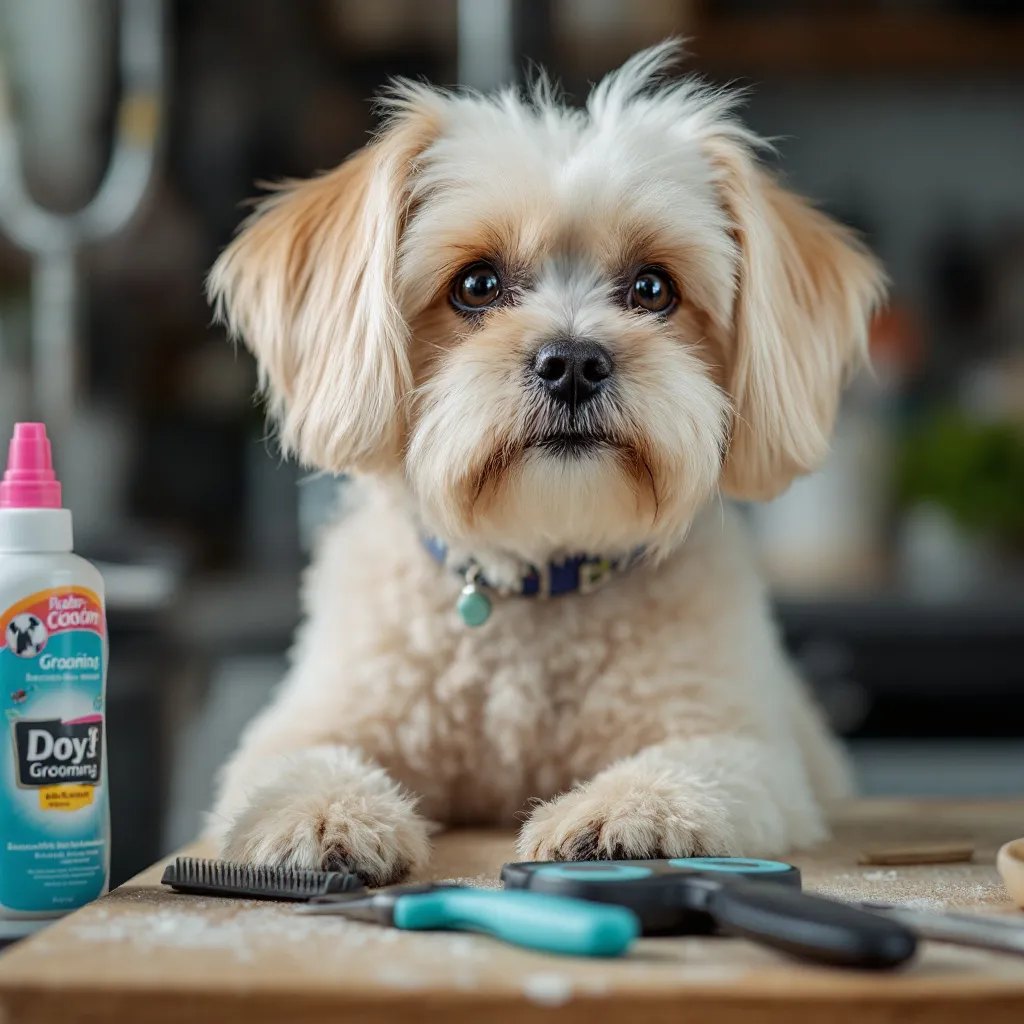
Bringing your puppy to their first grooming appointment marks an important milestone in their development and sets the foundation for a lifetime of comfortable care. At Spokane Dog Grooming, we understand that this initial visit can feel uncertain for both puppies and their owners. A first grooming session typically includes a gentle introduction to the salon environment, basic handling to assess temperament, a bath with puppy-safe shampoo, careful brushing to familiarize your pup with the sensation, a nail trim, ear cleaning, and often a simple trim around the face and paws. The experience is designed to be positive and stress-free, helping your puppy build confidence while establishing grooming as a normal part of their routine rather than something to fear.
Most puppies benefit from their first professional grooming experience between eight and sixteen weeks of age, ideally after they have received their initial round of vaccinations. This early window represents a critical socialization period when puppies are naturally more adaptable and open to new experiences. Starting grooming during this phase helps your pup accept handling, the sounds of clippers and dryers, and the sensation of being bathed and brushed. Even if your puppy does not yet need a full haircut, an introductory visit allows them to become familiar with the salon environment and build a positive association with the groomer.
The specific timing depends partly on your puppy's breed and coat type. Breeds with continuously growing hair, such as poodles, doodles of all varieties including labradoodles and goldendoodles, shih tzus, and bichons, should begin grooming appointments earlier to prevent matting and to establish a regular maintenance schedule. Puppies with shorter coats or those that shed seasonally can wait slightly longer, though early visits still provide valuable socialization benefits. Regardless of breed, introducing grooming early prevents anxiety and behavioral issues that can develop when dogs first encounter professional pet grooming as adults.
If your puppy is older than four months and has not yet visited a groomer, there is no need for concern. Professional groomers work with dogs of all ages and temperaments, adapting their approach to meet each animal's comfort level. The key is to schedule that first appointment sooner rather than later, as younger dogs generally adapt more quickly to new routines. Waiting too long can allow mats to form in longer coats, making the first grooming experience more challenging and potentially uncomfortable for your pup.
Experienced groomers use a gradual, patient approach when working with puppies for the first time. The session typically begins with a calm introduction that allows your pup to explore the grooming area and become comfortable with the groomer's presence. This initial phase involves gentle handling, soft talking, and sometimes treats to create positive associations. The groomer will assess your puppy's temperament and adjust their techniques accordingly, moving slowly and watching for signs of stress or discomfort. This compassionate approach helps puppies understand that the grooming salon is a safe space rather than a threatening environment.
The actual grooming process starts with the least intimidating procedures and gradually progresses to more involved tasks. Most groomers begin with a bath using mild, puppy-appropriate shampoo that is gentle on sensitive skin and helps prevent irritation. The water temperature is carefully controlled, and the groomer introduces the sensation of water gradually, often starting with the paws and legs before moving to the body. After the bath, puppies are gently towel-dried before being introduced to the sound and sensation of a blow dryer, which is kept at a comfortable distance and temperature. This step-by-step method prevents overwhelming your pup with too many new sensations at once.
Brushing comes next, allowing the groomer to work through any tangles in the coat while teaching your puppy to accept being touched all over their body. The groomer will use appropriate tools for your dog's coat type, whether that means a slicker brush for longer fur or a rubber curry for shorter coats. Nail trimming and ear cleaning are typically saved for later in the appointment once the puppy has relaxed somewhat. If clipping is necessary, groomers introduce the sound of clippers gradually, often letting the puppy hear and feel the vibration against their body before attempting any actual trimming. Throughout the entire process, skilled professionals maintain a calm demeanor and take frequent breaks if needed.
Preparation at home significantly influences how well your puppy handles their first professional grooming appointment. Begin by regularly handling your puppy in ways that mimic what a groomer will do. Touch their paws frequently, gently holding each one and applying light pressure to the pads as you would during a nail trim. Lift and look inside their ears, run your hands along their legs and tail, and practice having them stand still on a table or elevated surface with a non-slip mat. These exercises teach your pup that being touched and handled is normal and not something to fear.
Establish a home grooming routine well before the first professional appointment. Brush your puppy regularly, even if their coat does not yet require much maintenance, to familiarize them with the sensation and to check for any mats that might be forming. If possible, bathe your puppy at home a few times so the experience of getting wet is not completely foreign. Introduce your pup to the sound of household appliances like hair dryers and electric toothbrushes, which can help desensitize them to the noise of professional grooming equipment. The more comfortable your puppy is with these sensations at home, the less stressful their salon visit will be.
On the day of the appointment, ensure your puppy has had adequate exercise beforehand. A tired puppy is generally calmer and more cooperative than one with pent-up energy. However, avoid feeding a large meal immediately before grooming, as some puppies experience mild stomach upset when nervous. Bring any relevant health information, including vaccination records if this is your first visit to the salon. Inform the groomer about any sensitive areas, skin conditions, or behavioral quirks your puppy has displayed. Most importantly, remain calm yourself, as puppies pick up on their owner's anxiety and may become nervous if they sense your stress.
Professional groomers in Spokane understand that puppies may become nervous or resistant during their first grooming experience, and they have strategies to manage these situations with patience and skill. If your pup shows signs of anxiety such as trembling, excessive panting, or attempts to escape, the groomer will pause and give them time to settle. Sometimes simply stopping the current activity and offering reassurance or a brief play break is enough to help a puppy regain composure. Groomers prioritize your dog's emotional well-being over completing every service in a single visit, recognizing that building trust is more important than finishing a perfect haircut.
In cases where a puppy is particularly stressed, the groomer may recommend breaking the appointment into multiple shorter sessions rather than pushing through a full groom. This approach allows your pup to experience small successes and leave on a positive note, which makes subsequent visits easier. For example, the first visit might include only a bath and nail trim, with brushing and clipping scheduled for a follow-up appointment once your puppy has grown more comfortable. While this requires more trips initially, it establishes a foundation of positive experiences that pays dividends throughout your dog's life.
Some puppies simply need more time and exposure to become comfortable with grooming. If your pup struggles significantly during their first appointment, consider scheduling brief socialization visits where they simply spend time in the salon environment without undergoing any actual grooming. Many groomers welcome these short visits as they help puppies acclimate gradually. Additionally, if behavioral issues persist or seem rooted in genuine fear rather than typical puppy nervousness, consulting with a veterinarian or professional dog trainer can help address underlying anxiety before it becomes a long-term problem.
Regular maintenance at home extends the benefits of professional grooming and keeps your puppy comfortable between salon visits. Brushing is the most important task you can perform, particularly for breeds with longer hair or dense undercoats. Aim to brush your puppy several times per week, or even daily for breeds prone to matting such as doodles, shih tzus, and cocker spaniels. Use a brush appropriate for your dog's coat type and work systematically from head to tail, paying special attention to areas where mats commonly form including behind the ears, under the legs, around the collar area, and near the tail base. Catching tangles early prevents them from developing into mats that may require your puppy to be shaved down shorter than desired.
Between professional baths, you can spot-clean your puppy as needed using pet-safe wipes or a damp cloth. Focus on the paws after walks, especially during Spokane's wet seasons when mud and debris accumulate easily, and wipe around the mouth after meals to prevent food from matting in facial hair. Check and clean your puppy's ears weekly using a veterinarian-approved ear cleaning solution, particularly if your pup has floppy ears that trap moisture. Regularly inspect the skin for any signs of irritation, redness, or unusual bumps that might require attention from your veterinarian.
Nail maintenance is another aspect of home care that supports your puppy's overall health. While professional groomers handle nail trimming during appointments, nails grow continuously and may need attention between visits depending on your dog's activity level and the surfaces they walk on. If you hear clicking sounds when your puppy walks on hard floors, their nails are too long. Learning to trim nails at home takes practice, but starting when your dog is young helps them accept the procedure. If you are uncomfortable trimming nails yourself, many grooming salons offer quick nail trim services between full grooming appointments. Maintaining your puppy's coat, ears, and nails at home not only keeps them comfortable but also reinforces the handling and cooperation they learn during professional grooming sessions.
Creating a consistent grooming schedule from puppyhood provides numerous advantages for both your dog's health and your convenience. Regular appointments prevent coat problems before they start, particularly the formation of mats that can pull on skin and create painful irritation. Dogs who visit the groomer on a predictable schedule maintain healthier skin and fur because dirt, oils, and dead hair are removed before they accumulate to problematic levels. Consistent grooming also allows professionals to monitor your dog's physical condition over time, often noticing lumps, skin changes, or other health concerns that owners might miss during casual interaction at home.
From a behavioral standpoint, puppies who attend grooming appointments regularly learn that these visits are simply part of their routine rather than unusual or frightening events. This familiarity reduces stress significantly and makes each subsequent appointment easier than the last. Dogs on regular schedules typically require less time in the salon because their coats are maintained rather than overgrown, which means less kennel time after the groom and a more pleasant experience overall. For busy families, knowing that grooming is handled on a set schedule eliminates the stress of trying to book last-minute appointments when you suddenly realize your dog needs attention.
In Spokane, where seasonal changes affect dog coats significantly, a regular grooming schedule helps your puppy transition comfortably between seasons. Professional groomers can adjust services based on the time of year, providing thorough deshedding treatments in spring when winter undercoats loosen, and maintaining appropriate coat length during hot summer months. For those who prefer the convenience of mobile dog grooming services, establishing a recurring schedule is particularly important as mobile appointments tend to fill quickly. Whether you choose salon or mobile grooming, consistency from puppyhood creates a well-adjusted adult dog who views grooming as a normal, stress-free part of life rather than an ordeal to be endured.
Spokane Dog Grooming is a family-owned dog grooming business in Spokane, Washington, operating since 2013. Its groomers offer full-service s For professional help anywhere in Spokane, visit dog grooming.
☎Call (509) 979-6777