Dog Grooming guide
Dog Grooming Aftercare: Maintaining Your Pet Between Appointments
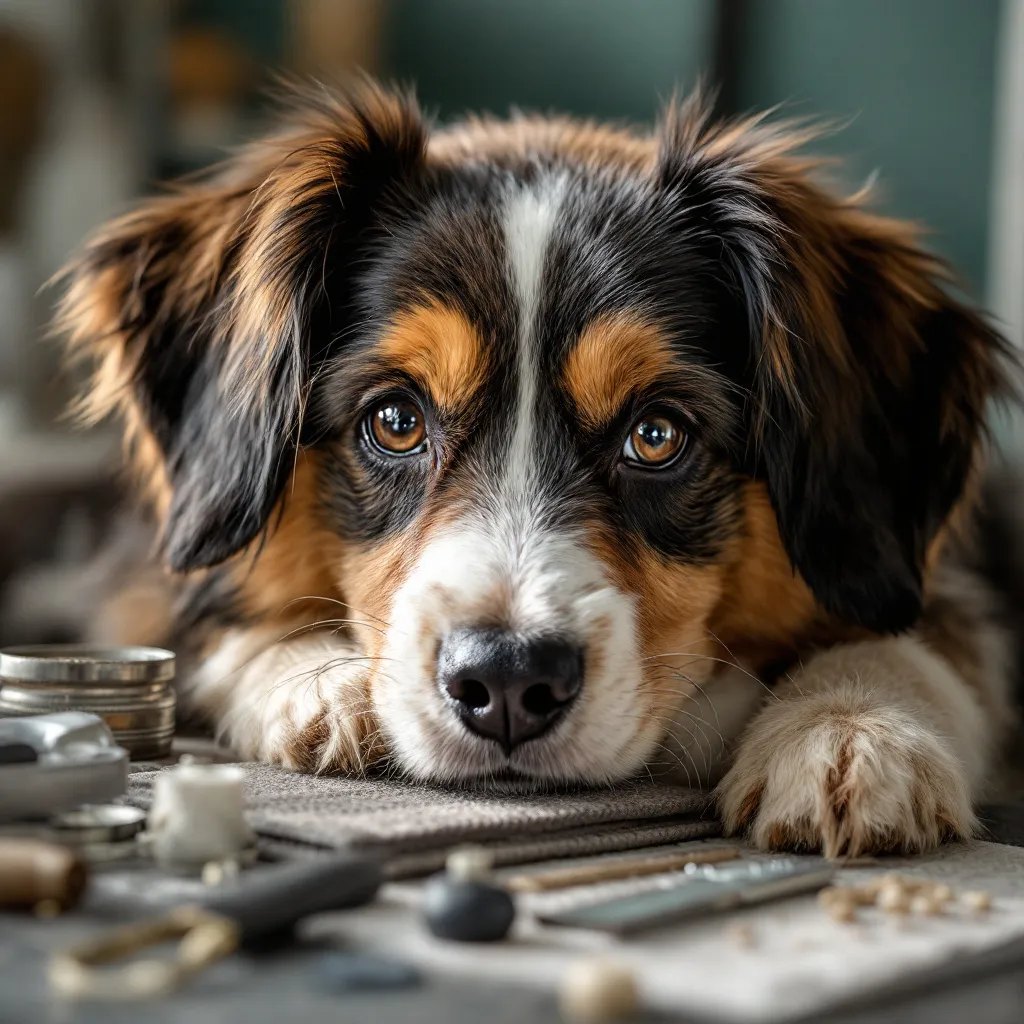
Professional grooming appointments keep your dog looking and feeling their best, but what happens in the weeks between visits matters just as much for your pet's health and comfort. Regular at-home care prevents mats from forming, reduces shedding around your home, and helps you spot potential skin or health issues early. While groomers handle the detailed work during appointments, maintaining your dog's coat, nails, ears, and teeth between sessions ensures they stay comfortable and makes each professional groom easier and more effective. Whether you visit a salon or use mobile dog grooming services, a consistent home routine protects your dog's well-being and extends the results of each professional appointment.
The foundation of coat maintenance starts with understanding your specific breed's needs. Dogs with double coats like Huskies and German Shepherds require different care than poodle mixes or terriers. Between professional grooming appointments, brush your dog at least twice weekly to prevent tangles and distribute natural oils throughout the fur. For breeds prone to matting such as doodles, daily brushing becomes essential. Pay special attention to areas where friction occurs, including behind the ears, under the collar, in the armpits, and around the tail. These spots develop mats quickly, and once formed, they pull on the skin and cause irritation. If you discover a small mat, work through it gently with your fingers or a detangling spray before it worsens.
Regular bathing at home helps manage dirt and odor, but timing matters more than frequency. Most dogs benefit from a bath every four to six weeks, though active pups who love Spokane's outdoor trails may need more frequent washing. The ASPCA recommends giving your pet a good brushing to remove all dead hair and mats before placing them in the tub, as water causes existing tangles to tighten and become nearly impossible to remove. Use a shampoo formulated specifically for dogs, since human products disrupt the natural pH balance of canine skin and can lead to dryness or irritation. After bathing, dry your dog thoroughly, especially in areas where moisture gets trapped. Damp fur creates an environment for bacterial growth and hot spots, particularly in breeds with thick undercoats.
Between baths, spot cleaning keeps your dog fresh without the full process. Wipe muddy paws with a damp cloth after walks through Spokane's parks, and use grooming wipes for quick cleanups around the face and rear. If your dog develops a strong odor before their next bath is due, check for skin issues, ear infections, or dental problems rather than simply masking the smell. Sometimes what seems like a grooming issue actually signals a health concern that requires attention from your veterinarian. Regular brushing also gives you the opportunity to examine your dog's skin for lumps, bumps, rashes, or parasites that might otherwise go unnoticed beneath the fur.
Selecting the right brush makes the difference between effective grooming and simply going through the motions. Slicker brushes work well for most coat types, featuring fine wire bristles that remove loose hair and work through minor tangles. These prove especially useful for longer-haired breeds and doodle variations. Pin brushes with rounded tips suit dogs with medium to long coats, providing a gentler option for regular maintenance brushing. Bristle brushes distribute oils and add shine, making them ideal for short-haired breeds with smooth coats. An undercoat rake becomes essential during shedding season for double-coated breeds, reaching beneath the top layer to remove the dense undercoat that otherwise ends up all over your furniture and floors.
Many dog owners find that combining tools produces the best results. Start with an undercoat rake or slicker brush to remove loose hair and work through any tangles, then finish with a bristle brush or comb to smooth the coat and check your work. A metal comb with both wide and narrow teeth helps you verify that you've thoroughly brushed down to the skin rather than just skimming the surface. This proves particularly important for breeds with thick fur, where mats can hide beneath a deceptively smooth outer layer. When you can run the comb smoothly from skin to tip without catching, you know the area is properly maintained.
Invest in quality tools that will last rather than purchasing inexpensive options that bend, break, or lose bristles. Sharp or damaged brush edges can scratch your dog's skin and make grooming an unpleasant experience. Keep your tools clean by removing accumulated hair after each session and washing them monthly with mild soap and warm water. For dogs who dislike brushing, start with short sessions and offer treats to create positive associations. Some pets never love the process, but patience and consistency help them tolerate it. If your dog shows signs of pain or extreme anxiety during home grooming, discuss the behavior with your groomer or veterinarian to rule out underlying skin conditions or joint issues that make handling uncomfortable.
Ear cleaning prevents infections, especially in breeds with floppy ears or dogs who swim frequently. Check your dog's ears weekly by gently lifting the flap and looking inside. Healthy ears appear pink with no strong odor, excessive wax, or discharge. If you notice redness, a yeasty smell, or your dog scratching and shaking their head frequently, contact your veterinarian before attempting to clean them yourself, as these symptoms suggest an infection requiring medical treatment. For routine maintenance, use a veterinarian-approved ear cleaning solution and cotton balls or gauze. Never insert cotton swabs into the ear canal, as this pushes debris deeper and risks damaging delicate structures. Instead, apply the solution, massage the base of the ear to loosen debris, and wipe away what comes to the surface.
Dental care at home significantly impacts your dog's overall health, since bacteria from gum disease can enter the bloodstream and affect major organs. Ideally, brush your dog's teeth daily using a toothbrush and toothpaste designed specifically for pets. Human toothpaste contains ingredients toxic to dogs, including xylitol, which can be fatal even in small amounts. Start slowly if your dog isn't accustomed to teeth brushing, first letting them taste the toothpaste, then rubbing it on their teeth with your finger, and gradually introducing the brush. Focus on the outer surfaces of the teeth where plaque accumulates most, using gentle circular motions. The inner surfaces get some natural cleaning from your dog's tongue.
Between brushing sessions, dental chews and toys help reduce plaque buildup, though they don't replace actual brushing. Look for products approved by the Veterinary Oral Health Council, which tests items for effectiveness. Raw carrots, apple slices, and specially designed rubber toys also provide chewing action that mechanically removes some debris. Monitor your dog while they chew to prevent choking, and choose size-appropriate items. Watch for signs of dental problems including bad breath, difficulty eating, pawing at the mouth, or visible tartar accumulation. Professional dental cleanings performed by your veterinarian remain necessary even with excellent home care, typically recommended annually or as advised based on your individual dog's needs and breed predispositions.
Nail maintenance ranks among the most important yet frequently neglected aspects of dog care. Overgrown nails force dogs to walk unnaturally, leading to joint pain, posture problems, and even arthritis over time. They also become more prone to splitting or tearing, which causes significant pain and potential infection. Most dogs need nail trims every three to four weeks, though the exact timing depends on how quickly their nails grow and how much natural wear occurs from walking on pavement. You can hear when nails need attention by listening for clicking sounds as your dog walks across hard floors. Ideally, nails should just barely touch the ground when your dog stands, with no contact during normal walking.
Learning to trim nails yourself saves trips to the groomer for this single service, but the process requires care to avoid cutting the quick, the blood vessel and nerve running through each nail. In dogs with light-colored nails, the quick appears as a pink area within the nail. Dark nails make this impossible to see, requiring a more cautious approach. Use sharp, properly sized clippers designed for dogs rather than human nail clippers, which can crush the nail and cause splitting. Trim small amounts at a time, cutting at a slight angle and stopping before you reach the quick. If you do accidentally cut too short and bleeding occurs, apply styptic powder or cornstarch to stop it. The experience will be stressful for both you and your dog, so take your time and maintain a calm demeanor.
For dogs who absolutely refuse nail trims or owners who feel uncomfortable with clippers, alternatives exist. Nail grinders use a rotating file to gradually wear down the nail, offering more control and reducing the risk of cutting the quick. Many dogs tolerate grinding better than clipping once they adjust to the sound and vibration. Regular walks on concrete or asphalt provide natural filing, though this rarely proves sufficient as the sole nail care method. Some groomers in Spokane offer nail trim appointments between full grooming sessions at a minimal cost. If your dog's nails grow into the paw pad, bleed frequently, or show signs of infection, consult your veterinarian rather than attempting to address severe overgrowth at home.
Your regular handling during home grooming provides the perfect opportunity to monitor your dog's overall health. Run your hands over their entire body, feeling for unusual lumps, bumps, or areas of sensitivity. Check the skin for redness, rashes, dry patches, or signs of parasites like fleas and ticks, which remain active in Spokane's climate during warmer months. Part the fur in different areas to examine the skin directly rather than relying only on what you can feel. Look for hot spots, which appear as moist, red, irritated patches that dogs lick and chew obsessively. These develop quickly and require prompt treatment to prevent them from spreading.
Pay attention to changes in your dog's coat texture or appearance. Sudden hair loss, excessive dandruff, an unusually oily or dry coat, or a dull appearance can indicate nutritional deficiencies, hormonal imbalances, or other health issues. Similarly, if your dog suddenly resists grooming in areas they previously tolerated, consider whether pain might be the cause. Arthritis, skin infections, or injuries make handling uncomfortable. Behavioral changes often signal problems before physical symptoms become obvious. Excessive scratching, licking, or biting at specific areas suggests allergies, parasites, or skin irritation requiring investigation.
Keep notes about what you observe between grooming appointments, including any new lumps, skin changes, or behavioral shifts. Share this information with your groomer during the next visit, as they bring professional expertise to evaluating what might be normal versus concerning. Groomers often notice health issues that owners miss simply because they see so many dogs and recognize what falls outside the normal range. Building a relationship with your grooming service creates a partnership in your dog's care. Whether you use mobile dog grooming or visit a salon, maintaining open communication ensures everyone works together to keep your pet healthy. Professional groomers complement veterinary care but don't replace it, so always consult your veterinarian about medical concerns rather than relying solely on grooming professionals for health advice.
Many dogs tolerate professional grooming but resist home care, often because owners inadvertently create negative associations. Start building positive experiences when your dog is a puppy if possible, but older dogs can learn to accept grooming with patience and consistency. Begin with brief sessions lasting just a few minutes, offering high-value treats throughout the process and ending on a positive note before your dog becomes stressed. Gradually extend the duration as your pet relaxes. Choose a quiet time when your dog is naturally calm, perhaps after a walk or play session when they've burned off excess energy. Avoid forcing the issue when your dog is already anxious or overstimulated.
Create a designated grooming space where your dog learns to expect the routine. Some pets do better on a raised surface like a table with a non-slip mat, while others prefer staying on the floor where they feel more secure. Use a calm, reassuring voice and take breaks if your dog shows signs of stress like panting, trembling, or trying to escape. Never punish a dog for grooming-related anxiety, as this only reinforces their fear. Instead, reward calm behavior and small victories. If your dog allows you to brush one leg, praise them enthusiastically and offer a treat before moving to the next area. Breaking the process into multiple short sessions often works better than attempting everything at once.
For dogs with severe grooming anxiety, consider whether the stress of home care outweighs the benefits. Some pets genuinely do better with professional handling in a grooming environment where they understand the expectations. Mobile dog grooming can reduce anxiety for dogs who find the salon overwhelming, since they remain in familiar surroundings with fewer strange dogs and people nearby. Discuss your dog's behavior with your groomer to develop strategies that work for your specific situation. They might suggest desensitization techniques, recommend products that make the process easier, or adjust the professional grooming schedule to reduce how much home maintenance you need to manage. The goal is keeping your dog healthy and comfortable, and sometimes that means acknowledging when professional help is the better choice for everyone involved.
The ASPCA dog grooming guidance emphasizes the importance of thoroughly brushing your pet to remove dead hair and mats before bathing, since water causes tangles to tighten and become more difficult to manage.
Spokane Dog Grooming is a family-owned dog grooming business in Spokane, Washington, operating since 2013. Its groomers offer full-service s For professional help anywhere in Spokane, visit Spokane Dog Grooming.
☎Call (509) 979-6777