Dog Grooming guide
Breed-Specific Dog Grooming Needs: Spokane Owner's Guide
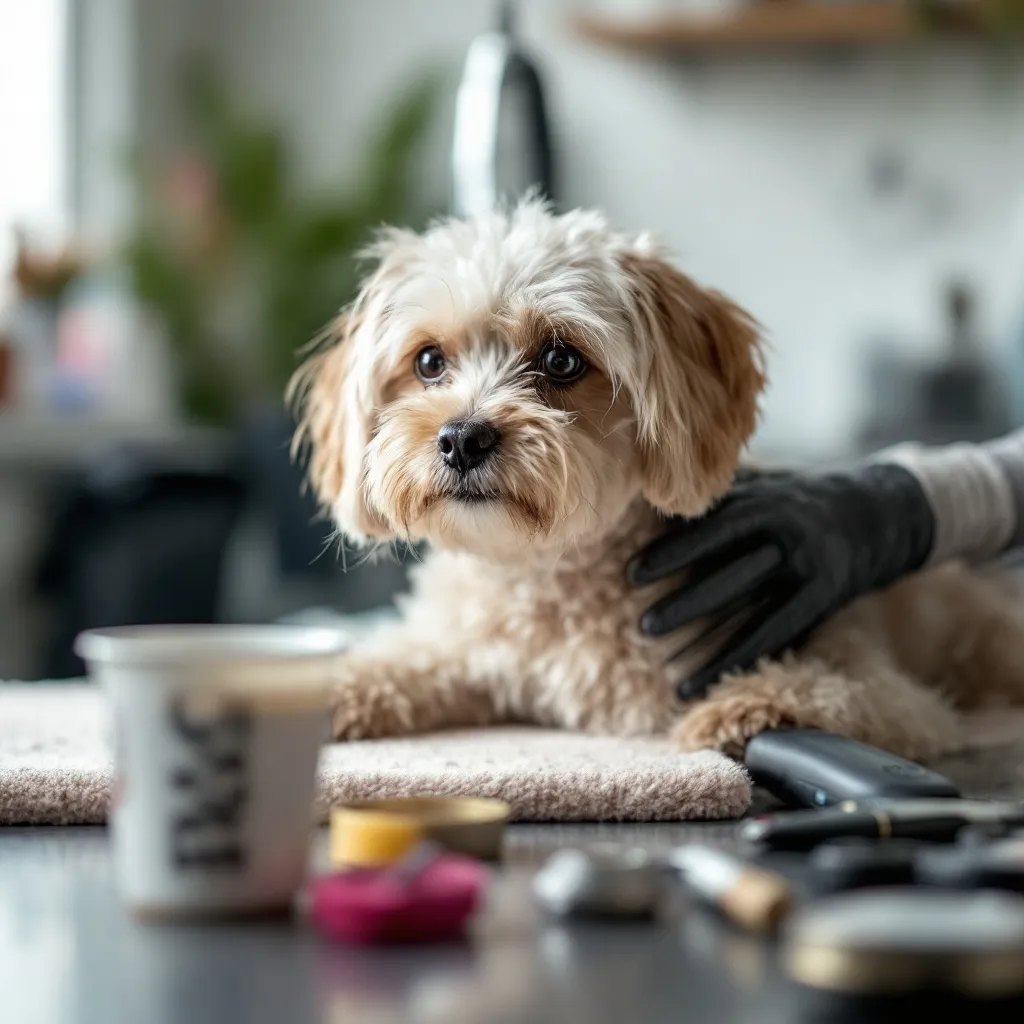
Every dog owner in Spokane knows their pet is unique, but many don't realize just how dramatically grooming needs vary across different breeds. From the thick double coats built for cold mountain winters to the continuously growing hair of poodle mixes, each breed presents distinct challenges and requirements. Understanding these differences isn't just about appearance. Proper breed-specific grooming directly impacts your dog's skin health, comfort, and overall well-being. Whether you're navigating the seasonal shedding common in our Spokane climate or maintaining a show-quality coat, recognizing your dog's particular needs helps you work effectively with professional groomers and maintain your pet between salon visits.
Breed-specific grooming techniques exist because dogs were developed for vastly different purposes, each requiring distinct coat types. A Siberian Husky's dense double coat, perfectly suited for Spokane's winter temperatures, needs careful brushing techniques that preserve the insulating undercoat while removing dead hair. Attempting to shave this breed can actually disrupt their natural temperature regulation and lead to skin irritation. Conversely, breeds like Poodles and their many doodle descendants have hair that grows continuously, much like human hair, requiring regular clipping to prevent matting and maintain comfort. These fundamental differences mean that what works for one breed can be completely inappropriate or even harmful for another.
Professional groomers train extensively to understand these distinctions. The American Kennel Club has established educational standards that emphasize breed classification as essential knowledge for grooming decisions, ensuring groomers can identify the proper techniques for each dog. A skilled groomer recognizes that a Cocker Spaniel's silky coat requires different clipper blade choices and brushing patterns than a Wire Fox Terrier's harsh, textured coat. Even bath products matter. The shampoo formulation that works beautifully on a Maltese's fine white hair might leave a Golden Retriever's water-resistant coat feeling stripped or dry. These specialized approaches aren't about luxury grooming but about maintaining the health and function of each breed's unique coat structure.
Beyond coat type, breed-specific anatomy also dictates grooming approaches. Breeds with heavy facial folds, like Bulldogs or Shar Peis, need meticulous cleaning between skin folds to prevent bacterial growth and irritation. Dogs with drop ears, including Basset Hounds and Spaniels, require more frequent ear cleaning than breeds with erect ears because air circulation is limited. Nail trim techniques even vary. Large breeds with substantial body weight naturally wear down their nails differently than small breeds, affecting how often they need professional nail care. A groomer experienced with your specific breed understands these anatomical considerations and adjusts their approach accordingly, ensuring thorough care that addresses breed-specific vulnerabilities.
Breeds with continuously growing coats top the list for frequent professional grooming requirements. Poodles, Bichon Frises, and the explosion of poodle mixes including Labradoodles, Goldendoodles, and Cavapoos need professional attention every four to eight weeks. Their hair doesn't shed in the traditional sense but continues growing, and without regular clipping, these dogs quickly develop painful mats that pull at the skin. Spokane's variable humidity and the tendency for dogs to romp through wet grass or snow accelerates mat formation in these breeds. Many owners discover too late that a few weeks of delayed grooming can result in their pet needing a complete shave down rather than the attractive trim they envisioned. Establishing a consistent schedule with your groomer prevents this frustrating situation.
Long-haired breeds with flowing coats also demand regular professional care, though their needs differ slightly. Afghan Hounds, Shih Tzus, Maltese, and Yorkshire Terriers require frequent bathing and thorough brushing to maintain their signature appearance and prevent tangles. These breeds benefit from professional grooming every three to six weeks, with diligent brushing at home between appointments. The fine texture of their hair means that even minor neglect can create mats near the skin, particularly behind the ears, under the legs, and around the tail. During Spokane's drier months, static electricity can make these coats even more prone to tangling. Professional groomers have the tools and expertise to work through these coats efficiently while keeping your pup comfortable throughout the process.
High-shedding double-coated breeds present a different kind of frequent grooming need. While Huskies, German Shepherds, Golden Retrievers, and Malamutes don't require haircuts, they benefit enormously from regular professional deshedding treatments, especially during spring and fall when they blow their coats. These seasonal transitions can leave Spokane homes covered in fur without proper management. Professional grooming sessions every six to twelve weeks, focused on thorough bathing and specialized deshedding techniques, remove the loose undercoat far more effectively than home brushing alone. This not only keeps your house cleaner but also prevents the shed hair from matting against the skin and causing hot spots or irritation during our warmer summer months.
Finding a groomer with specific breed experience makes a substantial difference in the quality and appropriateness of the groom your dog receives. Breed-specific grooming isn't simply about achieving a certain look. It involves understanding the coat's purpose, growth patterns, and the breed standard that has developed over generations. A groomer experienced with terriers knows that hand-stripping certain wire-coated breeds maintains coat texture and color better than clipping, though clipping remains a practical option for pet owners not showing their dogs. Similarly, a groomer familiar with Spaniels understands the importance of thinning shears to blend the feathering on legs and ears rather than leaving harsh clipper lines that look unnatural on these breeds.
Breed experience also helps groomers anticipate behavioral tendencies and physical sensitivities. Herding breeds like Australian Shepherds and Border Collies often have sensitivity around their hindquarters and may react to grooming in that area. Brachycephalic breeds such as Pugs and French Bulldogs require extra attention during bathing because their shortened airways make them more susceptible to stress and overheating. A groomer who regularly works with your breed recognizes these patterns and adjusts their handling and technique to keep your dog calm and safe. This expertise becomes particularly valuable if your dog has any anxiety about grooming, as an experienced professional can work efficiently while minimizing stress.
When you contact a grooming salon, asking about their experience with your specific breed is entirely appropriate. Professional groomers who are confident in their skills welcome these questions and can often show you photos of previous dogs they've groomed in your breed. They should be able to discuss the typical groom for your breed and walk you through options that suit your lifestyle. If you have a less common breed or a mixed breed with complex coat characteristics, look for groomers who demonstrate genuine interest in understanding your dog's specific needs rather than applying a one-size-fits-all approach. The investment in finding the right match pays off in consistently good grooms and a dog who tolerates or even enjoys their grooming appointments.
Spokane's outdoor lifestyle means many residents choose active breeds that thrive in our four-season climate. Labrador Retrievers, one of the most popular breeds locally, have dense water-resistant double coats that benefit from regular brushing and professional bathing every two to three months. Many Lab owners underestimate how much these dogs shed, particularly during seasonal transitions. A professional deshedding treatment removes the loose undercoat that home brushing misses, dramatically reducing the fur accumulating in your vehicle and home. Between professional grooms, weekly brushing with a slicker brush and undercoat rake keeps shedding manageable. Pay particular attention after your Lab has been swimming in local lakes or rivers, as their thick coat can trap moisture against the skin and lead to hot spots if not thoroughly dried.
German Shepherds, another breed well-suited to Spokane's climate, share similar grooming needs but with some important distinctions. Their double coat should never be shaved, as it provides essential temperature regulation in both summer and winter. Professional grooming should focus on thorough bathing with a high-velocity dryer that blasts out loose undercoat, along with nail trimming and paw pad maintenance. These intelligent, active dogs often wear their nails down naturally on Spokane's paved trails, but regular checks ensure they don't become overgrown. The feathering on the back legs and tail can collect debris during hikes, so brushing these areas several times weekly prevents tangles. German Shepherds also benefit from regular ear cleaning, as their upright ears can still collect dust and pollen during outdoor adventures.
For owners of the increasingly popular doodle mixes, understanding coat maintenance is critical. These crossbreeds often inherit a combination of the Poodle's continuously growing hair and the other parent breed's coat characteristics, creating unique grooming challenges. Most doodles need professional grooming every six to eight weeks, with daily brushing at home to prevent mats. The texture can vary significantly even within the same litter, ranging from loose waves to tight curls. Work with your groomer to find a length that balances your aesthetic preferences with practical maintenance. Many Spokane doodle owners find that a shorter trim during summer months when dogs are swimming and hiking makes home care more manageable, while slightly longer coats in winter provide extra warmth during snowy walks. Regular face trimming keeps hair out of the eyes and prevents food from becoming trapped in facial furnishings.
Spokane's distinct seasons create specific grooming challenges that vary by breed. Our dry summer heat, often reaching the nineties, affects dogs differently depending on their coat type. Double-coated breeds like Huskies and Malamutes rely on their undercoat for insulation that actually helps regulate temperature in heat as well as cold. Shaving these breeds removes this natural protection and can lead to sunburn and overheating. Instead, professional deshedding treatments that remove the dead undercoat while preserving the guard hairs allow better air circulation while maintaining the coat's protective function. During Spokane's hottest months, these breeds benefit from more frequent bathing to remove dust and keep the skin healthy, though over-bathing can strip natural oils.
Winter presents different considerations. Breeds with thin single coats, including Greyhounds, Whippets, and Chihuahuas, have minimal natural protection against Spokane's freezing temperatures and snow. These dogs benefit from shorter grooming intervals that keep their coats clean and healthy while owners rely on sweaters and coats for outdoor warmth. The salt and de-icing chemicals used on Spokane sidewalks and streets during winter can irritate paw pads and get tracked into longer coat furnishings. Regular paw maintenance, including trimming hair between the pads and thorough cleaning after winter walks, prevents chemical irritation and ice ball formation. Professional groomers can apply paw balm that protects against both cold temperatures and harsh chemicals.
Spokane's low humidity year-round creates static electricity issues, particularly in fine-coated breeds and during winter months when indoor heating further dries the air. Breeds like Yorkshire Terriers, Maltese, and Afghan Hounds experience more tangles and flyaway hair in these conditions. Professional groomers address this with moisturizing shampoos and leave-in conditioners formulated for these coat types. At home, a light conditioning spray before brushing reduces static and makes the process easier on both you and your pup. Spring in Spokane brings cottonwood seeds, grass seeds, and pollen that become trapped in longer coats and feathering. Dogs who spend time in natural areas benefit from more frequent professional grooming during these months, with particular attention to checking ears and between toes where seeds can burrow into the skin and cause serious irritation or infection requiring veterinary attention.
Effective communication with your groomer ensures your dog receives appropriate breed-specific care. Start by providing accurate breed information, including whether your dog is purebred or a mix, and if mixed, what breeds are involved. This helps the groomer anticipate coat characteristics and potential sensitivities. Discuss your dog's lifestyle honestly. A Golden Retriever who swims weekly in Liberty Lake needs different coat length considerations than one who primarily walks neighborhood sidewalks. If your dog participates in activities like agility, hiking, or hunting, mention this, as it affects practical grooming decisions. A working dog benefits from a shorter, more manageable coat, while a primarily indoor companion might maintain a longer style.
Share any skin sensitivities, allergies, or health conditions that affect grooming. Some breeds are prone to specific issues. Cocker Spaniels frequently develop ear infections, so alerting your groomer to any history helps them take extra care during ear cleaning. If your veterinarian has recommended specific shampoo formulations or advised against certain grooming practices, communicate this clearly. Discuss your dog's behavior and any anxiety triggers. Does your pup become nervous around clippers but tolerate scissors well? Is nail trimming particularly stressful? Professional groomers can often accommodate these preferences and work gradually to desensitize anxious dogs, but they need to know about concerns upfront.
Be realistic about home maintenance capabilities when discussing coat length and style with your groomer. If you can only brush your dog once weekly, a shorter trim on a Doodle or Cocker Spaniel prevents matting better than a longer style that requires daily attention. Bring photos if you have a specific look in mind, but also listen to your groomer's professional assessment of what's achievable given your dog's coat type and condition. If your dog arrives with mats, understand that shaving shorter than desired might be necessary for your pet's comfort and skin health. Establishing this open dialogue creates a partnership where your groomer can deliver the best possible care tailored to your specific breed and individual dog's needs.
Professional grooming education has become increasingly standardized, with the AKC grooming educational standards establishing breed classification knowledge as a fundamental requirement for qualified groomers.
Spokane Dog Grooming is a family-owned dog grooming business in Spokane, Washington, operating since 2013. Its groomers offer full-service s For professional help anywhere in Spokane, visit expert dog grooming in Spokane.
☎Call (509) 979-6777