Dog Grooming guide
Dog Grooming for Anxious Pets: Spokane Options and Tips
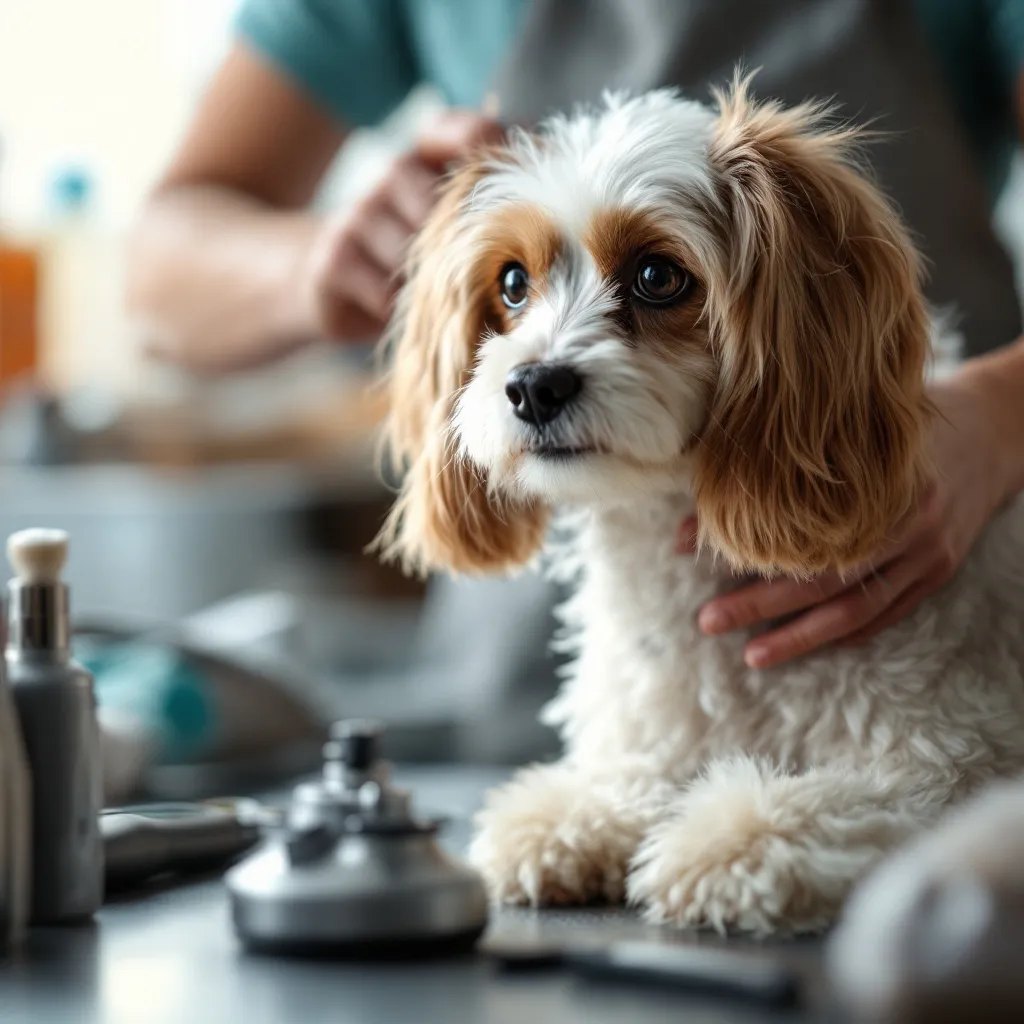
Grooming an anxious dog requires patience, skill, and an understanding of canine stress signals. Many pets experience fear or nervousness during grooming appointments due to unfamiliar surroundings, loud noises, or previous negative experiences. Fortunately, Spokane offers several options designed specifically for nervous pets, including mobile dog grooming services that bring the salon experience to your driveway and experienced groomers trained in low-stress handling techniques. Whether your pup trembles at the sight of clippers or becomes overwhelmed in busy environments, the right approach can transform grooming from a dreaded ordeal into a manageable routine. Understanding what causes your dog's anxiety and choosing a groomer who prioritizes compassionate care makes all the difference in your pet's comfort and well-being.
Several Spokane grooming services recognize that not every dog walks confidently into a salon. Family-owned businesses throughout the area have built their reputations on creating stress-free environments where nervous pets receive extra attention and modified handling techniques. These groomers understand that rushing through a bath or nail trim with a fearful dog only compounds the problem, so they schedule longer appointments and work at the animal's pace. When researching options, look for professionals who mention experience with anxious pets, offer one-on-one grooming sessions without multiple dogs present, and communicate openly about their approach to handling fear-based behaviors.
Mobile dog grooming represents an especially valuable option for anxious pets who struggle with car rides or become overwhelmed in traditional salon settings. When the grooming van arrives at your home, your dog remains in familiar territory with recognizable scents and sounds nearby. This eliminates much of the stress associated with new environments. The mobile experience typically involves just one groomer working with your pet in a quiet, enclosed space without the distraction of other animals. Many Spokane pet owners discover that their previously terrified dogs tolerate grooming much better when they can see their home and family just steps away.
Finding the right match requires asking specific questions before booking. Inquire whether the groomer has experience with your breed and the particular anxieties your dog displays. Some pets fear the sound of clippers, while others panic during ear cleaning or when their paws are handled. A skilled professional will discuss your dog's triggers during the initial consultation and explain how they plan to work around these sensitivities. They should also be willing to let you stay nearby during the first appointment if your presence helps your pet feel more secure, though some dogs actually behave better when their owners step away.
Experienced groomers employ numerous strategies to help nervous dogs relax during their appointments. The process often begins before any grooming tools appear. A skilled professional will spend several minutes simply sitting with an anxious dog, offering treats, speaking in a calm voice, and allowing the animal to investigate the space. This acclimation period helps establish trust and signals that nothing frightening will happen immediately. For dogs with severe anxiety, the first visit might involve nothing more than a brief brush and some positive reinforcement, with the full groom scheduled after the pet has grown comfortable with the groomer and the environment.
During the actual grooming service, professionals use gentle restraint techniques that provide security without triggering panic. Rather than forcing a frightened dog into position, they work with the animal's natural movements and take frequent breaks. Many groomers keep high-value treats on hand to reward cooperation and create positive associations with each step of the process. The sequence of services may be adjusted based on the dog's stress levels. If a pup tolerates the bath well but becomes anxious during clipping, the groomer might alternate between stressful and easier tasks to prevent overwhelming the animal.
Environmental modifications also play a significant role in reducing anxiety. Groomers who specialize in nervous pets often maintain quieter salons with softer lighting and minimal background noise. They may use non-slip mats on grooming tables so dogs feel more stable and secure. Some professionals incorporate calming music or pheromone diffusers designed specifically for canine stress reduction. The temperature of the bath water receives careful attention, as water that is too hot or cold can startle an already nervous dog. Throughout the appointment, an attentive groomer continuously reads the dog's body language, watching for signs of escalating stress such as excessive panting, trembling, or attempts to escape, and adjusts their approach accordingly.
The decision to use medication for grooming anxiety should always involve consultation with your veterinarian. While sedatives or anti-anxiety medications can help some dogs tolerate necessary grooming procedures, they are not appropriate for every situation. A veterinarian will evaluate your pet's overall health, the severity of their anxiety, and whether the stress of grooming poses any medical risks. For dogs with heart conditions or respiratory issues, extreme anxiety during grooming can be genuinely dangerous, making medication a reasonable option. However, many mildly to moderately anxious dogs can learn to tolerate grooming through gradual desensitization and positive reinforcement without pharmaceutical intervention.
If your veterinarian recommends medication, they will typically prescribe something that reduces anxiety without heavily sedating your dog. Groomers need pets to be able to stand and cooperate during the appointment, so complete sedation is rarely appropriate outside of a veterinary clinic setting. The medication is usually given an hour or two before the scheduled grooming time, allowing it to take effect before your dog enters the stressful situation. You should always inform your groomer if your pet has been medicated, as this affects how they will handle your dog and what signs they need to monitor during the appointment.
Before turning to medication, consider whether you have exhausted behavioral and environmental solutions. Some dogs benefit from shorter, more frequent grooming sessions that prevent their coat from becoming matted and requiring extensive work. Regular brushing at home familiarizes your dog with being handled and reduces the amount of time needed at the salon. Desensitization exercises, where you gradually introduce your puppy or dog to grooming tools and sensations in a non-threatening way, can build tolerance over time. A professional dog trainer who specializes in anxiety issues might offer strategies that make medication unnecessary. However, if your dog's fear is severe enough to cause injury to themselves or the groomer, medication prescribed by your veterinarian becomes a humane choice that allows necessary care to proceed safely.
Preparation at home significantly influences how your dog handles their grooming service. Start by establishing a regular brushing routine that gets your pet accustomed to being touched all over their body. Pay special attention to sensitive areas like paws, ears, and the tail, as these spots often trigger anxiety during professional grooming. Use a soft brush initially and pair the experience with treats and praise. Even a few minutes of daily brushing helps prevent mats from forming in your dog's coat, which means the groomer will not need to spend as much time working on problem areas that might cause discomfort or irritation.
Familiarize your dog with the sensations and sounds they will encounter during grooming. Let them investigate a hair dryer running at a distance, gradually moving it closer as they become comfortable with the noise. Practice handling their paws and gently pressing on their nails as if preparing for a nail trim. Touch their ears and look inside them to simulate ear cleaning. If your dog will be groomed in a salon, consider driving past the location several times before the appointment so the building becomes familiar. For mobile dog grooming, you might park your car in the driveway and let your dog explore it with the doors open, creating positive associations with vehicle-based experiences.
On the day of the appointment, maintain your normal routine as much as possible. Dogs pick up on their owners' anxiety, so staying calm and treating the grooming visit as an ordinary event helps your pet remain relaxed. A long walk or play session before the appointment can help burn off nervous energy. However, avoid feeding a large meal immediately before grooming, as some anxious dogs experience stomach upset. Bring your dog's favorite treats to share with the groomer, and provide any relevant information about what triggers your pet's anxiety. If your dog has had negative experiences with specific grooming procedures, mention this upfront so the groomer can plan accordingly and take extra care during those steps.
Understanding which grooming tasks are necessary for your dog's health versus purely cosmetic allows you to prioritize what matters most and potentially reduce the time your anxious pet spends being groomed. Essential services include nail trimming, as overgrown nails can cause pain, affect your dog's gait, and even lead to joint problems. Regular bathing with appropriate shampoo removes dirt, allergens, and excess oil that can cause skin irritation and odor. Ear cleaning prevents infections, particularly in breeds with floppy ears or dogs who swim frequently. Brushing and mat removal are crucial for maintaining healthy skin and coat, as severe matting pulls on the skin and creates painful hot spots.
Breed-specific haircuts and elaborate styling, while attractive, are not medically necessary for most dogs. If your anxious pup struggles with lengthy grooming sessions, consider opting for a simple, practical trim that keeps hair at a manageable length without requiring intricate clipping work. Many owners of double-coated breeds choose thorough deshedding treatments rather than full haircuts, as removing loose undercoat improves comfort during warm Spokane summers while maintaining the protective qualities of the dog's natural fur. Discuss with your groomer which services your specific breed truly needs versus what is optional based on your lifestyle and aesthetic preferences.
For severely anxious dogs, breaking grooming into multiple shorter appointments may prove more successful than attempting everything in one session. Your dog might visit for just a bath and nail trim one week, then return for brushing and trimming once they have recovered from the first experience. While this approach requires more trips, it prevents the overwhelming exhaustion and fear that can develop when an anxious animal endures too much handling at once. As your dog builds positive associations and trust with their groomer, the appointments can gradually include more services. This patient, incremental approach often yields better long-term results than forcing a frightened dog through a complete grooming service before they are ready.
Monitoring your dog's behavior before, during, and after grooming appointments helps you assess whether your current approach is working or needs adjustment. Positive signs include your dog showing less resistance when you prepare to leave for the appointment, willingly entering the salon or mobile grooming van, and greeting the groomer without excessive fear responses. During the actual grooming service, improvement might look like your pet accepting treats from the groomer, relaxing enough to stand calmly during portions of the process, or recovering more quickly from stressful moments. After returning home, a dog whose anxiety is decreasing will resume normal activities relatively quickly rather than hiding or showing signs of prolonged stress.
Conversely, worsening anxiety manifests in escalating avoidance behaviors and stronger fear responses. If your dog begins hiding when they see you preparing for the grooming appointment, resists getting into the car more forcefully than before, or shows signs of remembering and dreading the experience, their anxiety is not improving. Physical symptoms like excessive drooling, trembling that persists throughout the appointment, or elimination due to fear indicate significant distress. Some dogs develop aggressive responses when their anxiety reaches intolerable levels, snapping or biting when they previously only tried to escape. These behaviors signal that your current grooming approach is not working and needs modification.
When anxiety worsens despite your best efforts, consult both your veterinarian and your groomer to develop a new strategy. Your veterinarian can rule out underlying health issues that might make grooming painful, such as skin conditions, arthritis, or dental problems that cause discomfort when the face is handled. They can also discuss whether anxiety medication or supplements might help. Your groomer should be willing to modify their techniques, perhaps trying different tools, adjusting the order of services, or recommending more frequent but shorter appointments. Some dogs benefit from working with a professional animal behaviorist who can identify specific triggers and create a systematic desensitization plan. Remember that progress is not always linear, and occasional setbacks do not mean your dog will never tolerate grooming comfortably.
Spokane Dog Grooming is a family-owned dog grooming business in Spokane, Washington, operating since 2013. Its groomers offer full-service s For professional help anywhere in Spokane, visit dog grooming services.
☎Call (509) 979-6777