Dog Grooming guide
Common Dog Grooming Mistakes Spokane Pet Owners Make
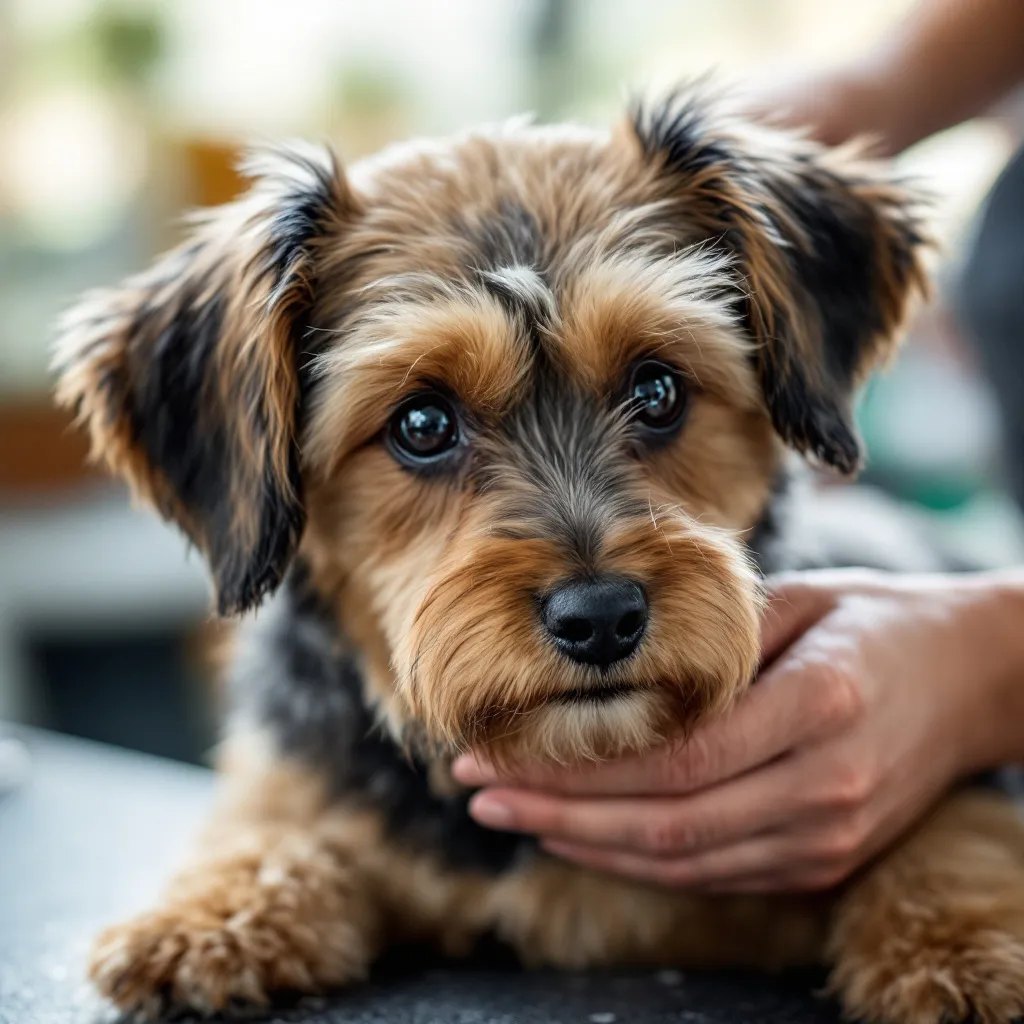
Even the most devoted pet owners in Spokane can inadvertently compromise their dog's health and comfort through well-intentioned grooming practices. From using improper tools to skipping essential steps between professional appointments, these common mistakes can lead to skin irritation, matting, and unnecessary stress for your pup. Understanding the proper techniques and recognizing when to seek professional help makes all the difference in maintaining your dog's coat, skin, and overall well-being. Whether you're caring for a double-coated breed suited to our Pacific Northwest climate or managing a high-maintenance doodle, avoiding these frequent errors ensures your furry family member stays comfortable and healthy between visits to the salon.
Using human shampoo on your dog ranks among the most frequent mistakes pet owners make. The pH balance of human skin differs significantly from canine skin, and products formulated for people can strip away essential oils that protect your dog's coat and skin. This disruption often leads to dryness, flaking, and irritation that leaves your pup uncomfortable and scratching. Always select a shampoo specifically designed for dogs, and if your pet has sensitive skin or existing conditions, consult with your veterinarian about appropriate products before the next bath.
Another critical error involves attempting to remove severe mats with scissors or clippers without proper training. When mats form close to the skin, it becomes nearly impossible to distinguish where the tangle ends and healthy skin begins. Inexperienced cutting can result in painful nicks and cuts that require veterinary attention. Professional groomers have the experience and tools to safely address matting, and in many cases, shaving down the affected area remains the safest option. If you discover mats developing, schedule an appointment rather than attempting removal yourself.
Skipping ear cleaning during home grooming sessions allows moisture, debris, and bacteria to accumulate inside the ear canal. Dogs with floppy ears or those who swim frequently in Spokane's lakes and rivers face particular risk. However, the opposite mistake proves equally problematic: inserting cotton swabs deep into the ear canal can damage delicate structures and push debris further inside. Use a veterinarian-approved ear cleaning solution applied to a cotton ball, wiping only the visible portions of the ear. If you notice redness, odor, or excessive discharge, these signs warrant professional evaluation rather than continued home treatment.
Regular brushing stands as the single most effective strategy for preventing mats, yet many pet owners underestimate the frequency required for their particular breed. Dogs with continuously growing hair, including the numerous doodle variations popular in Spokane, need thorough brushing sessions at least three to four times weekly. A quick surface brush accomplishes little if you're not reaching down to the skin where mats typically begin forming. Work in sections, using a slicker brush or metal comb to gently separate hair from the roots outward. Pay particular attention to friction areas where matting develops most rapidly: behind the ears, under the collar, in the armpits, and around the tail.
The tools you select matter as much as your brushing frequency. A standard bristle brush might make the top coat look smooth while hidden tangles continue forming underneath against the skin. Invest in a quality slicker brush with bent wire bristles that can penetrate through the coat layers, and follow up with a metal comb to check your work. If the comb snags, you've found a developing mat that needs additional attention. For breeds with thick undercoats, an undercoat rake helps remove loose fur during seasonal shedding periods, preventing that dead hair from tangling with the healthy coat.
Environmental factors in Spokane contribute to matting challenges throughout the year. Winter moisture from rain and snow clings to fur and creates perfect conditions for tangles, while summer activities like swimming and hiking introduce dirt and plant material into the coat. Always brush your dog before bathing, as water causes existing tangles to tighten into solid mats. After outdoor adventures, check your pup's coat for debris and address any tangles while they're still manageable. Establishing a consistent brushing routine transforms this task from an overwhelming chore into a bonding experience that keeps your dog comfortable between professional grooming appointments.
Double-coated breeds like Great Pyrenees, Huskies, and German Shepherds possess a sophisticated natural cooling system that shaving disrupts rather than improves. The undercoat provides insulation that regulates body temperature in both cold and warm weather, while the outer guard hairs protect skin from sun exposure and insect bites. When you shave these breeds down to the skin, you remove their built-in climate control and expose them to sunburn, overheating, and potential skin damage. Many pet owners in Spokane assume their heavy-coated dogs suffer in summer heat, but the coat actually helps them stay cooler when properly maintained.
The long-term consequences of shaving double-coated breeds extend beyond a single summer season. The coat may grow back with altered texture, losing its weather-resistant properties and natural appearance. In some cases, the undercoat grows back faster than the guard hairs, creating a dense, cottony texture that mats more easily than the original coat. This condition, sometimes called coat funk or alopecia, leaves owners facing increased grooming challenges and a dog less protected from the elements. Professional groomers understand these risks and can recommend appropriate alternatives that keep your pet comfortable without compromising coat integrity.
Proper deshedding treatments offer a far better solution for double-coated breeds during warmer months. Regular brushing with an undercoat rake removes the dead insulating layer that would otherwise trap heat against the skin. Professional grooming services include thorough deshedding baths using specialized shampoos and high-velocity dryers that blast out loose undercoat more effectively than home brushing alone. This approach maintains the protective properties of the guard hairs while eliminating excess insulation. If your double-coated dog seems uncomfortable in summer heat, focus on providing shade, fresh water, and limited exercise during peak temperatures rather than reaching for the clipper.
Cutting into the quick, the blood vessel running through each nail, represents the most common and distressing nail trim mistake. This painful error causes bleeding and creates lasting anxiety that makes future nail care sessions increasingly difficult. The quick appears pink in light-colored nails but remains invisible in dark nails, requiring a cautious approach regardless of your confidence level. Many pet owners cut too much at once rather than taking small increments, especially problematic because the quick actually extends further down in nails that haven't been trimmed regularly. If you do accidentally cut the quick, styptic powder stops bleeding quickly, but the emotional impact on your dog lasts much longer.
Using dull or inappropriate tools compounds the difficulty of nail care. Old clippers crush rather than cleanly cut through the nail, causing discomfort even when you avoid the quick. Guillotine-style clippers work well for small breeds but lack the strength needed for large dogs with thick nails, while scissor-style clippers offer more control for most situations. The grinding tools that have gained popularity provide an alternative that gradually shortens nails and smooths rough edges, though the noise and vibration bother some dogs. Regardless of your chosen tool, keeping it sharp and properly maintained makes the process easier and safer for everyone involved.
The angle and technique of cutting matters more than most people realize. Nails should be trimmed straight across or at a slight angle following the natural curve, never cut from top to bottom in a way that leaves sharp points. After clipping, rough edges benefit from a few strokes with a nail file or grinding tool to prevent snagging on carpets and furniture. For dogs who resist nail care despite your best efforts, professional groomers have the experience to complete the task efficiently and safely. Regular nail trim appointments, even between full grooming sessions, keep nails at a healthy length and prevent the quick from extending too far down, making future trims progressively easier.
Bathing too frequently strips away the natural oils that keep skin healthy and coat water-resistant, yet many well-meaning owners over-bathe their dogs in an attempt to maintain cleanliness. Unless your pup has rolled in something particularly offensive or suffers from a specific skin condition requiring medicated baths, most breeds need bathing only every four to eight weeks. Dogs who swim regularly in Spokane's rivers may need even less frequent shampooing, as plain water rinses remove dirt without disrupting the skin's oil balance. Over-bathing leads to dry, flaky skin and a dull coat that paradoxically becomes dirty more quickly because it lacks protective oils.
Inadequate rinsing leaves shampoo residue that irritates skin and attracts dirt, creating an itchy, uncomfortable situation for your dog. The thick coats common in many breeds require significantly more rinsing time than owners typically provide. Residue often hides in dense areas around the neck, chest, and hindquarters, where it causes localized irritation and hot spots. Take extra time to thoroughly rinse these problem areas, running your hands through the coat until the water runs completely clear and the fur feels clean rather than slippery. If your dog starts scratching excessively after a bath, incomplete rinsing likely deserves the blame.
Water temperature represents another overlooked factor in successful bathing. Water that feels comfortably warm to your hands may be too hot for sensitive canine skin, potentially causing discomfort and dryness. Lukewarm water works best for most dogs, though you might adjust slightly warmer in winter and cooler in summer. The force of water spray matters too, particularly for anxious dogs. A handheld sprayer with adjustable pressure allows you to control the experience, starting gently and avoiding direct spray in the face and ears. Many grooming services use specialized equipment that makes the bathing process more thorough and less stressful than typical home setups can achieve.
Certain situations clearly exceed the capabilities and safety of home grooming, regardless of your dedication or YouTube research. Severe matting requires professional intervention because the specialized tools and techniques needed to safely remove dense tangles without injuring skin take years to master. Attempting to cut out mats with household scissors or using human clippers on felted fur creates genuine risk of lacerations that need veterinary care. Professional groomers assess the extent of matting and determine whether careful dematting or a complete shave-down offers the safest approach, a judgment call that comes from extensive experience with countless coat conditions.
Breed-specific styling and maintenance present another area where professional expertise proves invaluable. Breeds with specific clip patterns, like Poodles, Cocker Spaniels, and the many doodle variations, require knowledge of proper technique to achieve the desired look while maintaining coat health. Even seemingly straightforward tasks like achieving an even length across the body or properly shaping the face and feet demand skills that develop through professional training and practice. Mobile dog grooming services bring this expertise directly to your Spokane home, offering convenience for large breeds, elderly dogs, or pets who experience stress traveling to a salon.
Behavioral challenges during grooming warrant professional handling for everyone's safety and wellbeing. Dogs who bite, struggle violently, or show extreme fear responses need the calm, experienced approach that trained groomers provide. These professionals understand canine body language and possess techniques for managing anxious or aggressive behavior that keeps both the dog and handler safe. Rather than forcing a traumatic home grooming session that damages your relationship with your pet, working with compassionate professionals creates positive experiences that gradually build tolerance. Some dogs simply do better with strangers handling grooming tasks, allowing the owner-pet relationship to focus on play, training, and affection rather than stressful maintenance procedures.
Spokane Dog Grooming is a family-owned dog grooming business in Spokane, Washington, operating since 2013. Its groomers offer full-service s For professional help anywhere in Spokane, visit professional dog grooming.
☎Call (509) 979-6777