Dog Grooming guide
Dog Grooming Regulations and Licensing in Spokane County
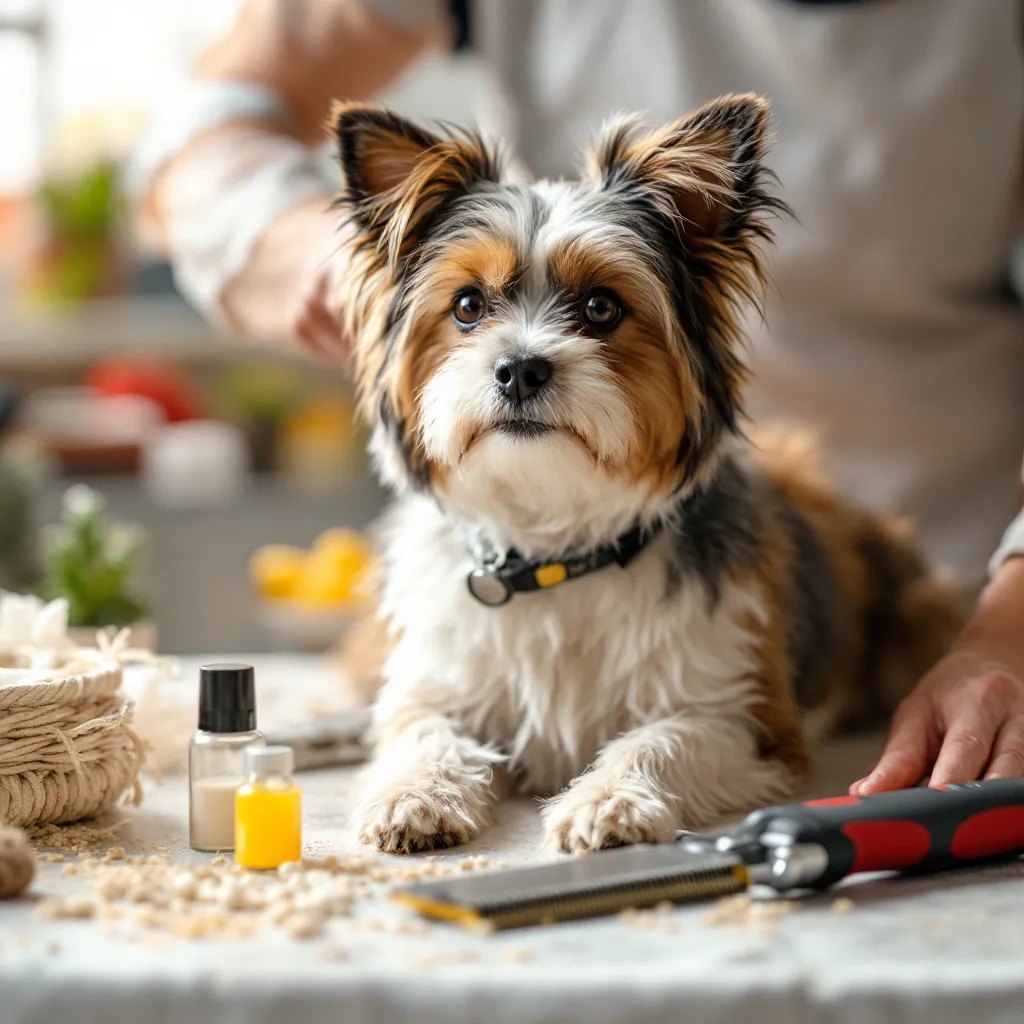
Understanding the regulations and licensing requirements for dog grooming in Spokane County helps pet owners make informed decisions about where to take their furry family members. Washington State does not currently mandate state-level licensing for professional dog groomers, which sets it apart from some other professions in the pet care industry. However, grooming businesses in Spokane County must still comply with local business licensing requirements, health and safety codes, and zoning regulations. While formal certification is voluntary, many reputable groomers pursue professional training and credentials to demonstrate their commitment to quality care. This regulatory landscape means pet owners should take an active role in researching grooming facilities and asking questions about training, experience, and business practices.
Washington State does not require individual dog groomers to obtain a state-issued professional license to practice. This means that unlike veterinarians or veterinary technicians, groomers can legally operate without completing mandated education programs or passing state examinations. The absence of state licensing requirements places Washington among the majority of states that treat dog grooming as an unregulated profession. However, this does not mean the industry operates without any oversight or that quality standards do not exist within the professional community.
While individual groomers do not need state certification, grooming businesses in Spokane County must obtain proper business licenses through the Washington State Department of Revenue and comply with local city or county business registration requirements. Any grooming salon or mobile dog grooming service operating in Spokane must register as a business entity and may need to meet zoning requirements depending on location. These business-level requirements ensure that grooming operations are legitimate enterprises subject to standard commercial regulations, even though the practitioners themselves are not individually licensed by the state.
Many professional groomers choose to pursue voluntary certification through organizations like the National Dog Groomers Association of America or complete training programs at accredited grooming schools. These credentials demonstrate a commitment to learning proper techniques for handling different breeds, understanding coat types, mastering safe clipping and scissoring methods, and recognizing signs of health issues during grooming. When selecting a grooming service, pet owners should ask about the groomer's training background, years of experience, and any professional certifications they have earned, as these factors often indicate a higher level of skill and dedication to the craft.
Grooming facilities in Spokane County must adhere to local health department regulations that govern sanitation, waste disposal, and facility conditions. The Spokane Regional Health District has authority over businesses that serve animals, ensuring that grooming salons maintain clean environments that prevent the spread of disease and parasites. These regulations typically address proper cleaning and disinfection of grooming equipment such as clippers, brushes, and bathing areas between clients. Facilities must also have adequate ventilation, appropriate drainage systems, and proper disposal methods for pet waste and contaminated materials. Regular sanitation practices protect both the animals being groomed and the people working in these environments.
Mobile dog grooming operations face similar health and safety requirements, though they must meet these standards within the confines of a vehicle. Mobile grooming vans must have self-contained water systems, proper wastewater disposal capabilities, and adequate climate control to ensure pet safety and comfort. These mobile units undergo inspections to verify they meet the same sanitation standards as brick-and-mortar salons. The convenience of mobile grooming should never come at the expense of health and safety protocols, and reputable mobile groomers maintain the same rigorous cleaning schedules and equipment maintenance as traditional salon settings.
Beyond facility cleanliness, grooming businesses must also consider animal welfare regulations and safe handling practices. While Washington State does not have specific grooming-focused animal welfare laws, general animal cruelty statutes apply to grooming situations. Groomers must use appropriate restraint methods that keep dogs safe without causing unnecessary stress or injury. They should be trained to recognize signs of distress, overheating, or medical emergencies during the grooming process. Responsible groomers also understand when to recommend that a pet owner consult a veterinarian before proceeding with grooming, particularly when they encounter severe skin irritation, unusual lumps, ear infections, or heavily matted fur that might be causing pain or hiding underlying health issues.
When researching a grooming service in Spokane, start by asking directly about the groomer's training and experience. Reputable professionals are transparent about their background and happy to discuss where they learned their skills, how long they have been grooming, and what continuing education they pursue. Ask whether they have completed formal grooming school programs or apprenticeships, and inquire about any certifications from recognized industry organizations. Experience with specific breeds matters too, especially if you have a pup with special coat requirements or a temperament that requires extra patience and skill. A groomer who specializes in doodles, for example, should be well-versed in maintaining those distinctive coats without causing mat-related skin problems.
Insurance coverage is a critical but often overlooked aspect of professional grooming services. Ask potential groomers whether they carry general liability insurance and professional liability coverage specifically for pet grooming. General liability insurance protects against accidents that might occur on the business premises, while professional liability coverage addresses situations where a pet might be injured during the grooming process. Some groomers also carry bonding, which provides financial protection if property is damaged or stolen. A professional grooming business should be willing to provide proof of insurance upon request, and this coverage demonstrates their commitment to operating responsibly and protecting both their clients and their business.
Beyond credentials and insurance, verify that the grooming business maintains current local business licenses and has no outstanding violations with health authorities. You can check business license status through the Washington State Department of Revenue website or contact the City of Spokane business licensing department. Reading reviews from other pet owners provides insight into real experiences, though remember that every dog is different and what works for one puppy may not suit another. When visiting a salon for the first time, observe the cleanliness of the facility, notice how staff interact with animals, and pay attention to whether groomers take time to discuss your dog's specific needs, coat condition, and any concerns about mats, nail trim preferences, or skin sensitivities before beginning the groom.
Comprehensive grooming education covers far more than simply learning to bathe and brush dogs. Quality training programs teach students about canine anatomy, different coat types and their specific care requirements, breed-specific grooming standards, and safe handling techniques for dogs of all temperaments. Students learn proper use of professional equipment including various clipper blades, shears, and specialized tools for tasks like nail trimming and ear cleaning. Understanding how to work safely with grooming tools prevents accidental injury to pets, particularly when working around sensitive areas like paws, ears, and the face. Training also addresses recognizing signs of stress in dogs and adjusting techniques to create a calmer grooming experience.
Health awareness forms a crucial component of grooming education. Trained groomers learn to identify common skin conditions, parasites like fleas and ticks, ear infections, dental problems, and abnormal lumps or growths that warrant veterinary attention. During a routine groom, a knowledgeable groomer may notice early signs of health issues that owners have missed, such as skin irritation hidden beneath thick fur, inflamed gums, or changes in coat texture that might indicate underlying problems. This health screening aspect of grooming makes the relationship between groomers and veterinarians complementary, with groomers serving as an additional set of trained eyes monitoring pet wellness.
Continuing education keeps groomers current on evolving techniques, new products, and emerging best practices in the industry. The grooming profession constantly develops as new tools become available, breed standards evolve, and research reveals better methods for maintaining coat health and minimizing stress during grooming. Experienced groomers attend workshops, watch educational demonstrations, and stay connected with professional grooming communities to refine their skills. This ongoing learning is especially important for handling the increasingly popular designer breeds and mixed breeds that combine characteristics from multiple breed lines, requiring groomers to adapt traditional techniques to unique coat types and grooming needs.
Before scheduling your dog's first appointment at any grooming facility, ask about their process for handling nervous or anxious dogs. A quality grooming service will explain their approach to creating a stress-free environment and describe how they adjust their techniques for pets who find grooming challenging. Inquire about their policy regarding mats and heavily tangled fur, as responsible groomers will explain that severely matted coats often require shorter cuts to safely remove the mats without causing pain or skin damage. Understanding these policies upfront prevents disappointment and helps you maintain realistic expectations about what the groomer can accomplish, especially if your pet's coat has become matted between grooming appointments.
Ask specific questions about the products used during the grooming service. Find out what types of shampoo the salon uses and whether they offer options for dogs with sensitive skin, allergies, or specific coat conditions. Inquire about their nail trimming techniques and whether they use traditional clippers or grinding tools, as some dogs tolerate one method better than the other. Understanding the complete grooming process, from the initial bath through the final brush-out and any styling or clipping, helps you evaluate whether the service aligns with your pet's needs and your expectations for the finished groom.
Discuss timing and communication preferences with the grooming business. Ask how long the typical grooming appointment takes for your dog's breed and size, and find out how much time your pet will spend in a kennel before and after the actual grooming. Some facilities, including those offering mobile dog grooming, minimize kennel time by working with pets promptly upon arrival and notifying owners when the groom is nearly complete. Clarify the cancellation policy, as most professional groomers require advance notice to fill appointment slots. Finally, ask whether the groomer will walk you through the grooming plan and discuss any concerns they discover during the process, such as skin issues, ear problems, or coat conditions that might require veterinary consultation before proceeding with certain grooming procedures.
Mobile dog grooming services in Spokane County operate under the same fundamental business licensing and health regulations as traditional salon locations, but with additional considerations specific to their mobile nature. These businesses must obtain proper permits to operate commercial vehicles within city limits and ensure their mobile units meet all safety and sanitation requirements for providing grooming services. The self-contained nature of mobile grooming vans requires careful attention to water supply, wastewater management, and proper ventilation systems that function reliably while the vehicle is stationary during grooming appointments. Mobile groomers must also maintain liability insurance that covers their mobile operations and any potential incidents that might occur at client properties.
The convenience of mobile dog grooming makes it an excellent option for pets who experience stress when traveling or for owners who have difficulty transporting larger dogs. Mobile services bring professional grooming directly to your home, allowing your dog to be groomed in a familiar environment without the anxiety of a car ride or exposure to other animals in a salon setting. This approach can be particularly beneficial for senior dogs, puppies still adjusting to grooming routines, or breeds that become anxious in unfamiliar surroundings. However, because mobile grooming slots are often in high demand and scheduling is more complex than salon appointments, establishing a recurring schedule helps ensure consistent care for your pet without long waits between grooming sessions.
When considering mobile dog grooming in Spokane, apply the same verification standards you would use for any grooming service. Confirm that the mobile groomer carries appropriate insurance, ask about their training and experience, and inquire about the equipment and products they use in their mobile unit. A professional mobile grooming business maintains the same sanitation protocols as a traditional salon, thoroughly cleaning and disinfecting all equipment between clients and ensuring their vehicle remains a safe, comfortable environment for every dog they serve. The regulatory framework may not mandate specific licensing for individual groomers, but responsible mobile grooming professionals hold themselves to high standards that prioritize pet safety, health, and comfort throughout the entire grooming experience.
Spokane Dog Grooming is a family-owned dog grooming business in Spokane, Washington, operating since 2013. Its groomers offer full-service s For professional help anywhere in Spokane, visit dog grooming in Spokane.
☎Call (509) 979-6777