Dog Grooming guide
How Often Should You Groom Your Dog in Spokane's Climate
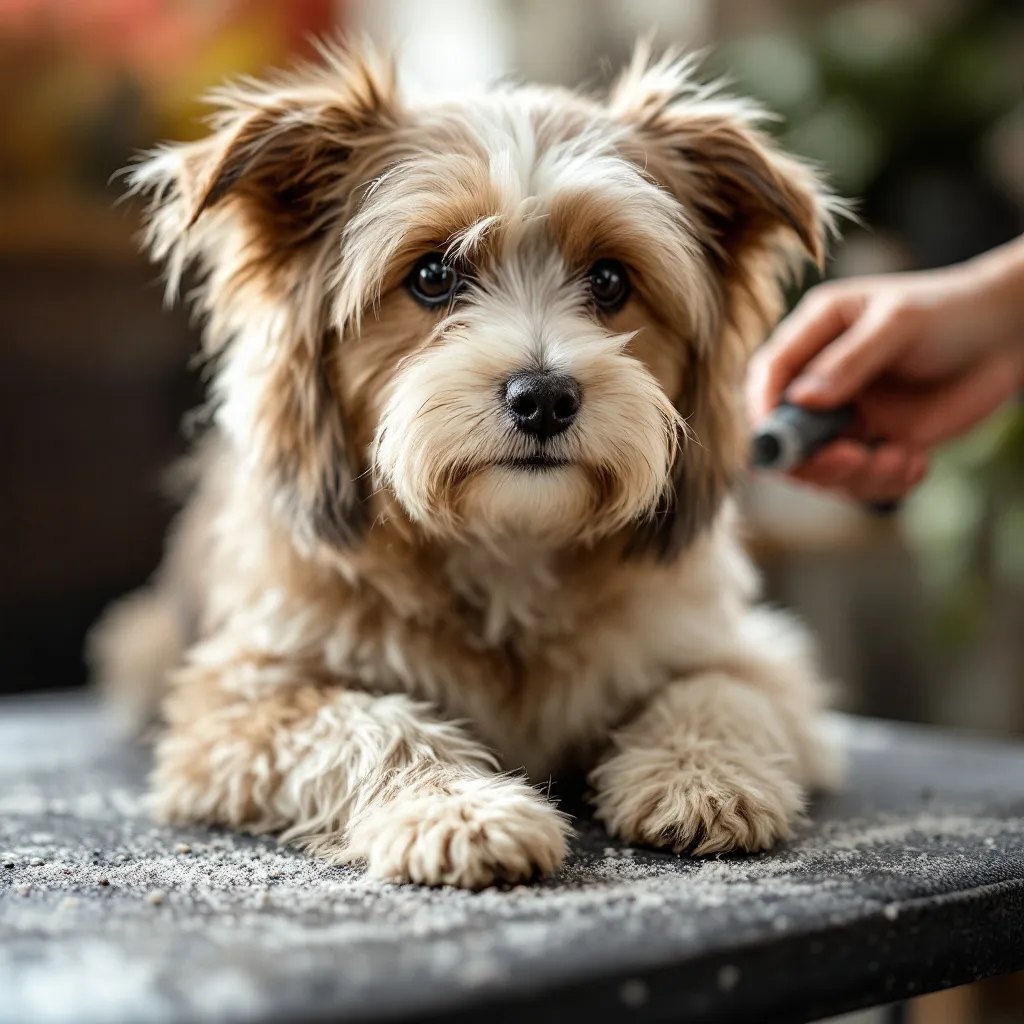
Spokane's distinct four-season climate plays a significant role in determining how often your dog needs professional grooming. Most dogs thrive with grooming appointments every six to eight weeks, though this timeline shifts based on breed, coat type, and seasonal factors unique to our region. During winter months when indoor heating dries out skin and fur, or in spring when shedding intensifies, your pet may benefit from more frequent attention. Summer heat and outdoor activities increase dirt accumulation and matting risk, while autumn brings its own challenges with falling leaves and moisture. Understanding these patterns helps you maintain your dog's health and comfort year-round while preventing issues that require more intensive intervention down the road.
Spokane's climate absolutely influences grooming frequency in ways that might surprise pet owners. Our cold, dry winters create conditions where static electricity builds up in fur and skin loses moisture rapidly. Indoor heating compounds this problem, leading to flaky skin and a coat that tangles more easily than during other seasons. Dogs spending time outdoors in snow often return with ice balls clinging to their paw pads and leg fur, which can cause discomfort and skin irritation if not addressed promptly. Winter also means less frequent bathing at home, allowing natural oils to accumulate alongside dirt tracked in from slushy streets.
Spring in Spokane triggers intense shedding as dogs lose their winter undercoat, a process that can overwhelm even diligent brushing routines at home. This seasonal coat change means the hair that remains can mat more quickly, especially in breeds with dense double coats. Summer brings its own considerations with higher pollen counts, dust from dry conditions, and increased outdoor activity that embeds debris deep into fur. Dogs who swim in local lakes or rivers need thorough drying and cleaning to prevent ear infections and skin problems. Autumn's fluctuating temperatures and occasional rain create the perfect environment for mats to form, particularly in longer-haired breeds whose coats stay damp longer after outdoor adventures.
Professional groomers understand these seasonal shifts and can adjust their approach accordingly. During peak shedding seasons, a grooming appointment might focus heavily on deshedding techniques that remove loose undercoat before it creates problems throughout your home. Winter visits often include extra attention to paw pad care and moisturizing treatments for dry skin. Summer grooming may involve shorter clips for comfort and better heat management, while autumn appointments prepare the coat for the coming cold months. This seasonal awareness ensures your dog remains comfortable and healthy regardless of what Spokane's weather brings.
Long-haired breeds require professional grooming every four to six weeks to maintain coat health and prevent matting. Breeds like Golden Doodles, Sheepadoodles, and Havanese develop mats quickly when their hair reaches certain lengths, particularly in friction areas like behind the ears, under the legs, and around the collar line. These mats form when loose hair tangles with attached hair, creating tight knots that pull on skin and cause discomfort. Once mats develop, they trap moisture against the skin, creating conditions where bacteria and yeast thrive. Professional groomers have the training and tools to safely remove mats or, when necessary, recommend a shorter clip to restore coat health and give you a fresh start with maintenance.
Between professional appointments, long-haired dogs need regular brushing at home to prevent the coat from becoming unmanageable. The frequency depends on coat texture and lifestyle, but most long-haired breeds benefit from brushing sessions every couple of days at minimum. Dogs who spend significant time outdoors in Spokane's varied terrain need even more frequent attention, as pine needles, grass seeds, and burrs work their way deep into fur. Breeds with continuously growing hair rather than shedding coats, such as poodle mixes, require particularly consistent grooming schedules since their hair never stops lengthening. Missing even one scheduled appointment can mean the difference between a routine trim and needing a complete shave down to remove extensive matting.
Professional grooming for long-haired breeds encompasses more than just haircuts. Each visit includes a thorough bath with appropriate shampoo for the dog's skin condition, complete drying to prevent moisture-related skin issues, nail trimming to maintain proper paw structure, and ear cleaning to reduce infection risk. Groomers also check for skin abnormalities, parasites, and other health concerns that might escape notice under all that fur. This comprehensive approach means regular grooming appointments serve as an early warning system for potential health problems, giving you the opportunity to consult your veterinarian before minor issues become serious conditions requiring medical intervention.
While regular grooming is essential for pet health, excessive bathing can strip natural oils from skin and coat, leading to dryness, irritation, and increased shedding. Most dogs should not be bathed more frequently than every two weeks unless they have specific skin conditions requiring medicated shampoo on a veterinarian-recommended schedule. The natural oils in a dog's coat provide protection against environmental elements and help maintain skin barrier function. When these oils are removed too frequently, skin becomes vulnerable to irritation from allergens, bacteria, and weather conditions. Dogs with sensitive skin or certain breeds prone to skin issues may need even longer intervals between baths to maintain optimal coat condition.
Professional grooming appointments every four to eight weeks strike the right balance for most dogs, providing necessary maintenance without overdoing it. These visits include bathing, but groomers use techniques and products designed to clean thoroughly while preserving essential oils. Between appointments, brushing at home maintains coat health without the risks associated with frequent bathing. Brushing distributes natural oils throughout the coat, removes dead hair and debris, and stimulates blood flow to the skin. This regular attention also allows you to monitor your dog's condition and catch potential problems early, from unusual lumps to skin changes that warrant professional evaluation.
The exception to standard grooming frequency involves dogs with specific medical needs or lifestyle factors. Puppies learning to accept grooming benefit from more frequent short sessions that build positive associations, even if they don't yet need full grooming services. Dogs with allergies might require more frequent bathing with specialized shampoo as part of their treatment plan. Active dogs who regularly swim or roll in mud obviously need cleaning more often than house pets with minimal outdoor exposure. Working with experienced groomers who understand individual needs ensures your dog receives appropriate care without unnecessary procedures that could compromise coat and skin health over time.
Home maintenance between professional visits determines whether your dog arrives at the salon in good condition or requires extensive work to address preventable problems. Brushing forms the foundation of this at-home care, removing loose hair before it tangles and distributing oils that keep the coat healthy and shiny. The type of brush matters significantly, with slicker brushes working well for most coat types while pin brushes suit longer, silkier fur and undercoat rakes target dense double coats. Brushing sessions also provide opportunities to check for ticks, especially after outdoor adventures in Spokane's parks and trails where these parasites thrive in warmer months. Regular nail checks help you determine whether your dog needs a nail trim before the next scheduled appointment, preventing overgrowth that affects gait and joint health.
Paw care deserves particular attention in Spokane's climate, where winter salt and summer heat both pose challenges. Checking between paw pads for debris, ice accumulation, or cuts prevents minor issues from becoming painful problems. Some dogs benefit from paw balm during dry winter months when cracked pads become more common. Ear cleaning at home should be approached cautiously, as improper technique can push debris deeper or damage delicate ear structures. Most dogs need only gentle wiping of the outer ear with a damp cloth between professional cleanings, though breeds with floppy ears or those prone to ear infections may require more frequent attention under veterinary guidance.
Monitoring your dog's coat condition between appointments helps you recognize when scheduling might need adjustment. If you notice mats forming despite regular brushing, your dog may need more frequent professional grooming or a different haircut length that's easier to maintain. Excessive shedding, skin flaking, or changes in coat texture can indicate health issues worth discussing with your veterinarian. Dogs who develop a strong odor shortly after grooming might have skin infections or dental problems requiring medical attention rather than just another bath. This vigilant approach to home care supports the work professional groomers do and helps maintain your pet's comfort and health throughout the year.
Breed characteristics dramatically influence ideal grooming frequency, with coat type serving as the primary determining factor. Short-haired breeds like Labrador Retrievers and Beagles typically need professional grooming every eight to twelve weeks, primarily for bathing, nail trimming, and deshedding treatments that reduce the hair they leave throughout your home. These breeds shed year-round but experience seasonal increases that benefit from professional attention. Wire-haired breeds such as terriers require hand-stripping or clipping every six to eight weeks to maintain proper coat texture and appearance. Double-coated breeds including Huskies and German Shepherds need regular deshedding treatments, especially during Spokane's spring and fall coat changes, though they should never be shaved down as this disrupts their natural temperature regulation.
Breeds with continuously growing hair demand the most consistent grooming schedules. Poodles and poodle mixes, from tiny Maltipoos to large Pyredoodles, need professional grooming every four to six weeks to prevent matting and maintain their distinctive appearance. These breeds don't shed in the traditional sense, but their hair grows continuously and tangles easily without proper maintenance. Breeds like Shih Tzus, Yorkies, and Havanese fall into this same category, requiring regular professional attention to keep their coats manageable. The specific cut you choose affects maintenance requirements, with shorter styles generally easier to maintain at home between appointments while longer show-style cuts demand daily brushing and more frequent professional grooming.
Mixed breed dogs present unique considerations since they may inherit coat characteristics from multiple breed backgrounds. A Labradoodle might have a coat closer to a Poodle's continuously growing hair or something nearer to a Labrador's shorter, shedding coat, with many falling somewhere in between. Professional groomers assess individual coat types rather than relying solely on breed labels, recommending schedules based on what they observe during appointments. Age also factors into grooming needs, as puppy coats differ from adult coats and senior dogs may develop skin sensitivities requiring gentler products or modified techniques. This individualized approach ensures each dog receives appropriate care regardless of breed or background.
The best time to schedule your next grooming appointment is before you leave your current one, establishing a regular rotation that prevents gaps in care. Consistent scheduling ensures your dog maintains optimal coat condition and never reaches the point where extensive matting requires a complete shave down. Regular appointments also mean your dog becomes familiar with the grooming process and the people providing care, reducing stress and making each visit smoother. Mobile grooming services in particular stay busy, so maintaining a recurring schedule guarantees you won't face long waits when your dog needs attention. This proactive approach proves especially valuable during peak seasons when grooming demand increases and last-minute appointments become difficult to secure.
Several signs indicate your dog needs grooming sooner than the standard schedule suggests. Visible mats or tangles that resist home brushing require professional intervention before they worsen and cause skin problems. A strong odor despite regular brushing suggests skin issues or anal gland problems that groomers can address or refer to your veterinarian. Nails clicking audibly on hard floors mean they've grown too long and need trimming to prevent joint stress and potential injury. Excessive scratching might indicate overgrown nails, skin irritation, or ear problems that benefit from professional evaluation. Dogs who seem uncomfortable or resistant to touch in certain areas may have hidden mats pulling at their skin or other issues requiring attention.
Seasonal transitions in Spokane warrant schedule adjustments for many dogs. Spring shedding often necessitates an extra deshedding appointment to manage the massive coat change and reduce the hair accumulating in your home. Before summer's heat arrives, many owners opt for shorter clips that help their dogs stay comfortable during outdoor activities. A fall grooming prepares the coat for winter by removing dead hair and ensuring healthy skin going into the dry, cold months ahead. Winter appointments might focus on maintaining paw pad health and addressing the effects of indoor heating on skin and coat. Working with groomers who understand these seasonal needs helps you develop a customized schedule that keeps your dog comfortable and healthy throughout the year while preventing problems before they start.
Professional pet care resources emphasize that expert dog grooming guidance remains crucial for maintaining both appearance and overall health, with brushing frequency adapted to individual coat characteristics and seasonal factors.
Spokane Dog Grooming is a family-owned dog grooming business in Spokane, Washington, operating since 2013. Its groomers offer full-service s For professional help anywhere in Spokane, visit dog grooming.
☎Call (509) 979-6777