Dog Grooming guide
What Happens During a Dog Grooming Appointment: Step-by-Step Process
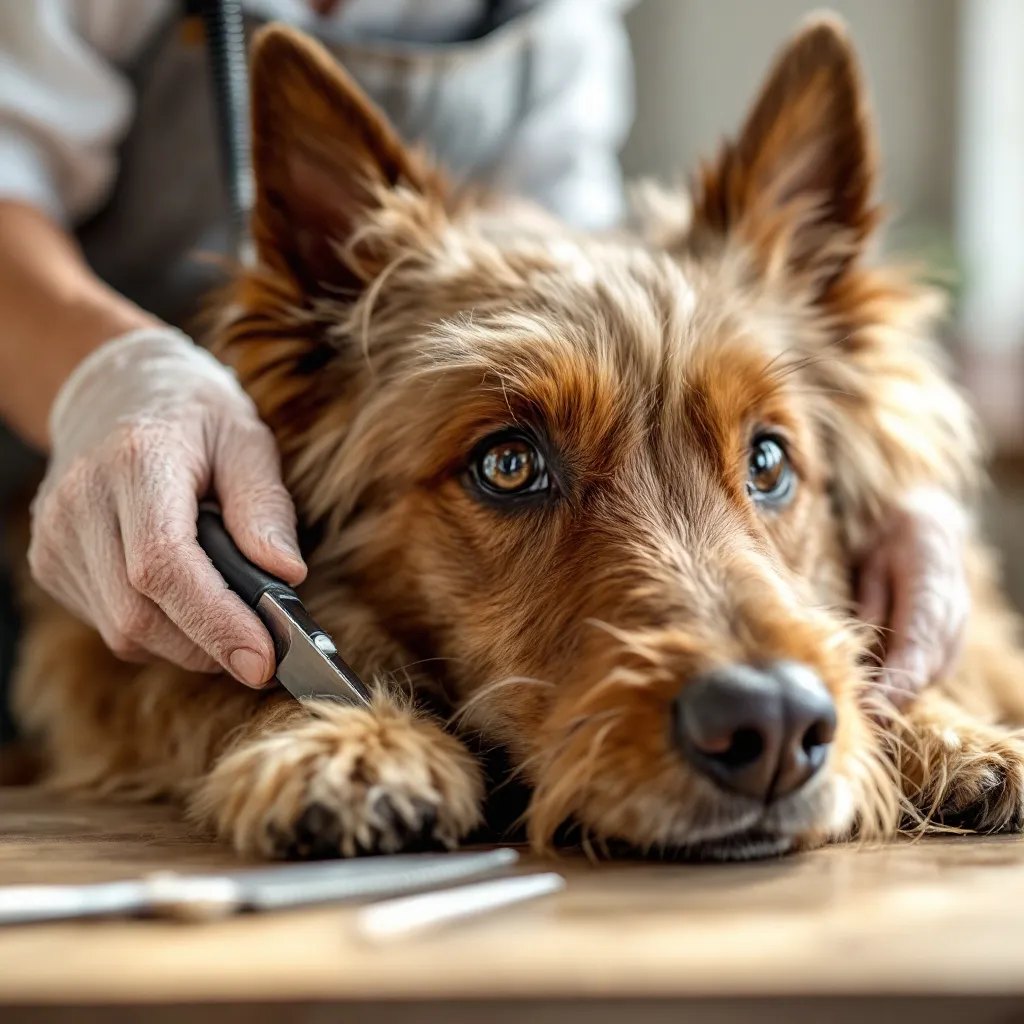
A professional dog grooming appointment involves a carefully structured process designed to keep your pet comfortable while addressing all aspects of coat and skin care. From the moment your dog arrives at the salon, experienced groomers follow a methodical approach that includes an initial health assessment, thorough bathing with appropriate products, precise trimming and styling, and finishing touches like nail care and ear cleaning. Understanding what happens during each phase helps pet owners prepare their dogs and communicate their preferences effectively. The entire process typically takes between one to three hours depending on your dog's size, coat condition, and the services requested.
When you bring your dog to a grooming appointment, the first step involves a conversation between you and the groomer about your expectations and any concerns. The groomer examines your dog's coat condition, checking for mats, tangles, skin irritation, or parasites like fleas and ticks. This assessment helps determine which tools and techniques will work best for your particular breed and coat type. If significant matting is discovered, the groomer discusses realistic options, as heavily matted fur often requires a shorter cut than owners initially wanted to prevent discomfort during the grooming process.
During this evaluation, groomers also observe your dog's temperament and comfort level in the salon environment. They note any areas of sensitivity, previous injuries, or behavioral considerations that might affect how they approach the groom. This initial interaction establishes trust and allows the groomer to customize the experience for nervous dogs or puppies experiencing their first professional grooming. The assessment typically includes checking the condition of the nails, ears, and paw pads to plan which services your pet needs beyond the basic bath and haircut.
Groomers use this time to confirm specific styling preferences, whether you want a breed-standard cut, a practical short trim for easier maintenance, or something in between. They explain what is achievable given your dog's current coat condition and growth patterns. For doodle breeds and dogs with continuously growing hair, the groomer discusses how frequently your pup should return to maintain the desired length and prevent matting between appointments. This collaborative planning ensures everyone understands the expected outcome before the grooming work begins.
The bath is a foundational part of any grooming service, and it begins with a thorough brushing to remove loose fur and work out any tangles that can be addressed before water is introduced. Wetting matted hair makes it tighten and become more difficult to remove, so groomers carefully prep the coat first. Once your dog is ready, the groomer uses warm water to completely saturate the coat down to the skin, which can take several minutes for breeds with thick double coats or water-resistant fur. The temperature is carefully monitored to keep your pet comfortable throughout the process.
Professional groomers select shampoo based on your dog's specific needs, whether that means a gentle formula for sensitive skin, a medicated product for certain conditions, or a degreasing shampoo for breeds prone to oily coats. The shampoo is worked thoroughly through the coat and massaged into the skin to remove dirt, oils, and odors. Many grooming appointments include a second shampooing to ensure the coat is completely clean, followed by a conditioning treatment that helps detangle the fur and adds moisture. For dogs with skin issues, groomers may allow medicated products to sit for several minutes before rinsing to maximize their effectiveness.
After the bath products are thoroughly rinsed away, the groomer applies a high-velocity dryer to remove excess water and begin the drying process. This specialized equipment blows water out of the coat rather than heating it dry, which is more efficient and comfortable for most dogs. The force of the air also helps loosen remaining dead undercoat in shedding breeds. Throughout drying, the groomer continues brushing to prevent tangles from forming and to straighten the coat for easier trimming. Some dogs require cage drying for a period if they become stressed by the handheld dryer, though most groomers prefer to complete the drying process hands-on to monitor the dog's comfort and achieve the best results.
A complete grooming package encompasses much more than just a haircut and bath. Standard services include a full-body trim or cut according to your specifications, nail trimming to keep your dog's paws healthy and comfortable, ear cleaning to remove wax and debris that can lead to infections, and gland expression if needed. The groomer trims the hair around the paw pads to prevent matting and improve traction, and carefully scissors the fur around sensitive areas like the eyes, sanitary regions, and between the toes. Each element contributes to your dog's overall health and comfort, not just appearance.
Professional groomers pay special attention to the face, feet, and tail, areas that require precision and patience. Clipping around the eyes improves vision and prevents tear staining, while trimming the hair on the ears helps with air circulation to reduce moisture buildup. The nail trim involves cutting the nail to an appropriate length without hitting the quick, which contains blood vessels and nerves. For dogs with dark nails where the quick is not visible, groomers take conservative cuts and may recommend more frequent trims to gradually recede the quick over time. Some packages also include teeth brushing or breath-freshening treatments.
The groomer finishes by checking that the coat is even, all mats have been addressed, and the styling matches what was discussed during the initial consultation. They may apply a light cologne or finishing spray if requested, though many dogs and owners prefer to skip added fragrances. Before your pup leaves, the groomer does a final inspection to ensure nails are smooth without sharp edges, ears are clean and dry, and the coat is completely dry to prevent skin issues. This attention to detail ensures your dog looks polished and feels comfortable when you arrive for pickup.
Professional groomers serve as an important early detection system for health concerns because they see and touch every part of your dog's body during the grooming process. While groomers are not veterinarians and cannot diagnose medical conditions, they are trained to recognize abnormalities that warrant a veterinary visit. During bathing and trimming, groomers frequently discover lumps, bumps, rashes, hot spots, parasites, or areas of hair loss that owners might miss under a full coat. They check the condition of the skin for dryness, excessive oiliness, flaking, or signs of irritation that could indicate allergies or other dermatological issues.
Ear cleaning provides an opportunity to notice redness, unusual discharge, or strong odors that suggest an infection requiring medical attention. Similarly, examining the paws reveals cuts, foreign objects lodged between pads, broken nails, or inflamed nail beds. Groomers observe whether your dog shows pain or sensitivity in particular areas, which might indicate an injury or developing problem. They also note changes in coat quality, as dull, brittle, or thinning fur can reflect nutritional deficiencies or underlying health conditions. Experienced groomers develop a baseline understanding of what is normal for regular clients, making them more likely to notice subtle changes over time.
When groomers identify potential health concerns, they communicate these findings to pet owners and often recommend scheduling a veterinary examination. This collaborative approach between grooming professionals and veterinary care helps catch problems early when they are typically easier and less expensive to treat. Regular grooming appointments, therefore, contribute to preventive health care by providing consistent professional observation. Groomers document their observations and any changes they notice from previous visits, creating a record that can be valuable for tracking your dog's health over the years.
Working with anxious or fearful dogs requires patience, experience, and specialized handling techniques that prioritize the animal's emotional wellbeing alongside the grooming tasks. Skilled groomers read canine body language to assess stress levels and adjust their approach accordingly. They may work more slowly, take frequent breaks, or modify the grooming sequence to address less sensitive areas first while the dog acclimates to the environment. Creating a calm atmosphere with gentle handling and a reassuring voice helps many nervous dogs relax as the appointment progresses. For puppies experiencing their first grooming, extra time is invested in making the experience positive to establish good associations for future visits.
Some dogs benefit from having their grooming sessions scheduled during quieter times when fewer animals are present in the salon, reducing environmental stressors. Groomers may use alternative restraint methods or positioning that helps the dog feel more secure without causing additional anxiety. Research on preparing dogs for grooming, such as guidance from animal care professionals, emphasizes the importance of regular handling at home, including touching paws and using brushes frequently, which helps dogs become more accepting of the grooming process. When owners invest time in this preparation, it significantly improves the dog's comfort level during professional appointments.
For dogs displaying aggressive behavior, safety becomes the primary concern for both the animal and the groomer. Professional groomers are trained in safe handling techniques and recognize when a dog's stress level has reached a point where continuing would be counterproductive or dangerous. In these situations, they may recommend breaking the grooming into multiple shorter sessions, using muzzles when necessary for everyone's protection, or suggesting that the owner consult with a veterinarian about anti-anxiety options for future appointments. Some dogs simply are not good candidates for traditional salon grooming and may do better with mobile services in their home environment or with sedation grooming performed under veterinary supervision. Honest communication about a dog's limitations helps owners make informed decisions about the best approach for their individual pet.
Once all grooming services are finished, your dog is placed in a clean kennel for a brief rest period while the groomer contacts you to arrange pickup. Many grooming businesses, including those offering mobile dog grooming, minimize kennel time by calling or texting clients shortly before completion so dogs do not spend extended periods waiting after their appointment. This practice reduces stress for anxious dogs and ensures pets go home promptly. During this waiting period, groomers complete their cleanup and prepare any notes about the appointment, including observations about your dog's behavior, coat condition, or health concerns noticed during the session.
When you arrive for pickup, the groomer typically walks you through what was done during the appointment and addresses any questions about maintaining your dog's coat at home. They may provide specific recommendations about brushing frequency, products that would benefit your dog's skin or fur type, or scheduling suggestions for the next appointment based on how quickly your dog's breed typically grows hair. If any health concerns were identified, the groomer explains what they observed and why they recommend veterinary follow-up. This educational component helps owners become better informed about their pet's care needs.
Before you leave, the groomer ensures you are satisfied with the results and that the styling matches your expectations. If adjustments are needed, most professionals are happy to make minor corrections while you wait. They also remind you of any aftercare instructions, such as keeping your dog's ears dry if they were cleaned or watching for signs of clipper irritation on sensitive skin. Establishing a regular grooming schedule at this time helps ensure your dog's coat remains healthy and manageable between appointments, preventing the matting and overgrowth that can make future grooming sessions more challenging for everyone involved.
Animal care professionals emphasize that preparing dogs for grooming includes regularly handling your pet's paws and frequently brushing their coat at home, which helps dogs become more comfortable with the professional grooming process.
Spokane Dog Grooming is a family-owned dog grooming business in Spokane, Washington, operating since 2013. Its groomers offer full-service s For professional help anywhere in Spokane, visit Spokane Dog Grooming.
☎Call (509) 979-6777